

Dry cargo makes up a large part of world trade. It includes grain, animal feed, sugar, minerals, steel, and industrial goods. For traders in CIS countries, India, China, Turkey, and the UAE, Dry Cargo Transport from Iran is one of the fastest and most cost-effective ways to move shipments between Asia, the Middle East, and Europe. Iran links the Persian Gulf to Central Asia, the Caucasus, and Turkey, with road, rail, and port connections in one country.
This guide explains everything you need to know about Dry Cargo Transport from Iran, including cargo types, ports, strategic corridors, customs processes, advantages, challenges, and how Rasta Nik Asia, an international freight forwarder and transit logistics company, can support your logistics needs with accuracy, transparency, and professional handling.
What Is Dry Cargo Transport from Iran?
Dry Cargo Transport from Iran means moving non-liquid, non-refrigerated goods through Iranian ports, roads, and railways to a final border, terminal, or warehouse. A freight forwarder coordinates transport, customs, and reporting from the first handover to the final delivery point.
Why Is Iran a Key Transit Hub for Dry Cargo?
Iran connects the Persian Gulf to Central Asia, the Caucasus, Turkey, and Europe. This position shortens the distance between producers in Asia and buyers in the CIS. Every year, thousands of trucks and rail wagons cross Iran carrying dry cargo.
Key advantages of Iran as a transit route are:
- Shorter distances compared to sea routes around the Arabian Peninsula
- Direct road and rail access to Turkmenistan, Kazakhstan, Uzbekistan, Azerbaijan, Iraq, and Turkey
- High-capacity southern ports
- Modernized customs and transit systems
- Stable infrastructure suitable for large-volume transportation
These factors make Dry Cargo Transport from Iran a reliable and strategic option for traders seeking both efficiency and cost savings.
What Is Dry Cargo?
Dry cargo means goods that are not liquid and do not need temperature control. It can be packed, palletized, containerized, or shipped in bulk. Most dry cargo stays stable on long journeys and needs no refrigeration. This flexibility is why it suits Iran’s mixed road, rail, and sea network.
Dry cargo is essential for international trade, and Iran handles a significant portion of this trade due to its ideal location and flexible transport network.
Types of Dry Cargo
Dry cargo is divided into three categories. Understanding these helps traders choose the best packaging and transport mode.
Major Bulks
Major bulks are large-volume raw materials used in industry and food production. These types of dry cargo usually include:
- Coal
- Iron ore
- Grain (wheat, barley, corn)
- Bauxite
- Phosphate
- Cement and clinker
These goods usually move through Dry Cargo Transport from Iran on open trucks, rail wagons, or ship-to-rail systems.
Learn more: Bulk Cargo Transportation from Iran
Minor Bulks
Minor bulks are medium-volume goods, usually packaged or semi-packaged. Common minor bulks include:
- Sugar
- Fertilizers
- Animal feed
- Rice
- Steel products
- Wood and plywood
They usually travel in tarpaulin trucks or containers, which protect them from rain and dust.
Other Dry Cargoes
This category includes all remaining non-liquid, non-refrigerated cargo. For example:
- Carton goods
- Industrial machinery
- Household items
- Petrochemical powders
- Food products in sacks or boxes
These cargoes are popular in Dry Cargo Transport from Iran for CIS and Middle Eastern markets.
Common Dry Cargo Types Shipped Through Iran
Iran handles a wide range of dry cargo for transit or domestic transportation. The most common include:
- Wheat, barley, and corn
- Lentils, peas, and pulses
- Sugar and salt
- Minerals and construction materials
- Consumer goods
- Textile and plastic products
- Machinery parts and equipment
These goods move easily across Iran via trucks or rail wagons toward Central Asia, the Caucasus, or Turkey.
Which Transport Mode Fits Your Dry Cargo?
|
Mode |
Best for | Main strength |
Watch out for |
| Tarpaulin (TIR) truck | Packaged or palletized goods | Door-to-door flexibility | Border queues |
| Open truck | Heavy or bulk cargo | Fast loading and unloading | Weather exposure |
| Container (20ft / 40ft) | Sensitive or mixed cargo | Strong cargo protection | Container availability |
| Rail wagon | High-volume bulk | Lower cost per ton on long routes | Wagon supply in peak season |
| Multimodal (sea + rail + road) | Long routes with several handovers | One coordinated plan | Needs strong planning |
Step-by-Step Process of Dry Cargo Transport from Iran
Below is a standard freight forwarding process used by trusted logistics companies like Rasta Nik Asia. These steps make sure that transport for foreign traders is quick, safe, and clear.
1. Cargo Collection at Ports or Supplier Warehouses
Cargo entering Iran typically arrives through:
- Southern ports (Bandar Abbas, Imam Khomeini, Chabahar)
- Caspian Sea ports (Amirabad, Anzali)
- Supplier warehouses inside Iran
Rasta Nik Asia arranges pickup, checks packaging, verifies weight, and inspects freight documents before the cargo moves.
2. Document Verification and Customs Preparation
Documentation is the most important part of Dry Cargo Transport from Iran. Any missing detail can delay clearance. Required documents include:
- Invoice & packing list
- Certificate of origin
- Bill of lading (if arriving by sea)
- Transit declaration
- Truck and driver details
A reliable freight forwarder in Iran prepares everything in advance in Iran’s customs systems to avoid delays.
3. Customs Clearance at the Port or Border
Customs in Iran can be complex for foreign traders, so professional handling is essential. Rasta Nik Asia manages Iran's customs clearance for you, including:
- Registration of documents
- Physical inspection coordination
- Duties or fees (if needed)
- Transit permit issuance
This step keeps Dry Cargo Transport from Iran legal and smooth from entry to exit.
4. Loading Cargo for Transit Across Iran
Cargo is loaded depending on type and destination. Transport options are:
- Tarpaulin (TIR) trucks: for packaged or palletized goods
- Open trucks: for heavy or bulk cargo transportation
- Containers (20ft, 40ft): for sensitive or mixed cargo
- Rail wagons: for high-volume or bulk shipments
Each method supports safe movement through Iran’s transit network.
5. Choosing the best Transit Route Through Iran
Iran has several transit routes that link the Persian Gulf to the Caspian Sea and connect Middle Eastern markets to CIS countries, Europe, and South Asia. We choose the route based on your cargo type, deadline, and destination. Contact our team to discuss the best option for your shipment.
6. Transit Monitoring and Daily Reporting
Rasta Nik Asia provides Real-time truck location, Border queue updates, Estimated time of arrival, and Customs status reports. You receive:
- Real-time truck location
- Border queue updates
- Estimated time of arrival (ETA)
- Customs status reports
This visibility helps you plan your own deliveries and payments.
7. Exit Customs at the Final Border
At the final border, your dry cargo goes through exit customs to complete all remaining transit formalities. This step includes document verification, sealing checks, and ensuring the shipment fully complies with Iran’s transit regulations. A smooth exit customs process is essential to avoid delays and keep the cargo moving toward its destination country.
With proper coordination and accurate paperwork, this stage is completed quickly and efficiently.
Key Ports for Dry Cargo in Iran
Iran’s major ports and transit corridors make the country an effective bridge between global markets. You can see these corridors and ports in the picture below:

Shahid Rajaee Port (Bandar Abbas)
Iran’s largest commercial port and its main gateway for dry cargo from China, India, Southeast Asia, and the UAE. Strong rail links make it useful for transit into Central Asia.
Imam Khomeini Port
Located in the northwest of the Persian Gulf, this port specializes in dry bulk such as grains, fertilizers, and industrial minerals. It is widely used for large-volume bulk shipments.
Amirabad Port
Located at the northwest end of the Persian Gulf, this port handles dry bulk such as grain, fertilizer, and industrial minerals.
Chabahar Port
A fast-growing deep-water port offering direct access to the Indian Ocean. It is the main gateway for Indian goods entering Central Asia without passing through Pakistan.
Learn more: Shipping Goods from Iran to India
Amirabad, Bandar Anzali, and Nowshahr (Caspian Sea)
These ports connect Iran with Russia, Kazakhstan, and Turkmenistan. Amirabad links to the national railway. The three ports handle both containerized and bulk dry cargo.
Learn more: Iranian Ports for Freight Forwarding
Strategic Corridors for Dry Cargo Transport via Iran
Iran connects multiple international corridors that reduce time and cost for traders.
- North–South Corridor (INSTC): Links India, Iran, Azerbaijan, Russia, and Europe. Suitable for containerized and bulk dry cargo.
- East–West Corridor: Connects China and Central Asia to Turkey and Europe through Iran. Popular for machinery, consumer goods, and grain.
- Chabahar Strategic Corridor: This corridor allows India to ship goods to Afghanistan and Central Asia efficiently through Chabahar.
- Inland Rail and Highway Network: Iran’s rail system links major ports to industrial areas and northern borders. Highways are modern, safe, and allow for fast transit of trucks.
A Note on Rail and Border Crossings:
Iran’s railway uses standard gauge. Turkmenistan, Kazakhstan, and other CIS networks use a wider gauge. At some crossings, such as Sarakhs, cargo is transferred, or wagons are changed. A forwarder who plans this step early saves time and prevents damage during handling.
What Affects the Cost of Dry Cargo Transport from Iran?
Prices change with market conditions, so every quote should be based on your actual shipment. The main cost factors are:
- Cargo type, weight, and volume
- Transport mode (truck, rail, container, multimodal)
- Route and border crossings
- Port handling and storage time
- Customs duties and clearance fees
- Season and equipment availability
- Cargo insurance level
To get an accurate quote, send your cargo type, quantity, origin, destination, and target delivery date.
Best Practices for Traders Using Dry Cargo Transport from Iran
To ensure a smooth shipping experience, international traders should follow these practical steps:
1. Prepare Documents in Advance
Make sure invoices, packing lists, certificates of origin, and seal numbers are ready before the cargo arrives in Iran. Document delays are the most common cause of slower customs clearance.
2. Use Quality Packaging
Pack goods in strong bags, cartons, or pallets to prevent damage on long road journeys. For grain and feed, protect against moisture.
3. Choose the Correct Truck Type
Selecting the right truck type is essential for safe and efficient dry cargo transport. Different goods, such as grains, industrial materials, or packaged products, need specific loading systems, weight capacity, and protection levels.
At Rasta Nik Asia, we carefully assess your cargo details, route conditions, and delivery deadlines to choose the most suitable truck type for your shipment. Our team ensures you get the best option in terms of cost, safety, and transit speed, so your cargo reaches its destination without risk or delays.
Learn more: 7 Main Cargo Classifications in International Transport
4. Select a Reliable Forwarder With Border Experience
Borders like Sarakhs, Astara, and Bazargan require careful handling. An experienced logistics company ensures your cargo crosses smoothly.
Rasta Nik Asia implements all of these best practices as part of its standard service.
Advantages of Dry Cargo Transport from Iran
Iran offers multiple strategic benefits that make it one of the most cost-effective and reliable transit hubs in the region.
Strategic Geographic Location
Iran sits at the center of the Middle East, connecting the Persian Gulf to Central Asia, Turkey, Russia, and Europe. This natural location significantly shortens transit times for dry cargo moving from Asia to the CIS region.
For traders from India, China, UAE, and Turkey, Dry Cargo Transport from Iran is often the fastest way to reach Uzbekistan, Kazakhstan, Russia, and Azerbaijan.
Cost-Effectiveness
Transport through Iran is cheaper than maritime routes that circle the Arabian Peninsula. In addition:
- Shorter distances mean lower fuel costs
- Stable local transport market keeps prices competitive
- Efficient border crossings reduce waiting time costs
For bulk dry cargo like grain, fertilizer, and animal feed, these savings are significant.
Reduced Transit Times
Cargo shipped through Iran reaches Central Asia faster than sea-only or combined ocean routes. For example, cargo transport from India to Chabahar, then to Iran and then Turkmenistan, is much faster than sending cargo through the Persian Gulf and then north by rail.
Multimodal Connectivity and Infrastructure
Iran supports road, rail, and sea connectivity across all major transit routes. Key strengths include:
- Rail links from Bandar Abbas, Imam Khomeini Port, and Amirabad to northern borders
- Modern highways connecting ports directly to customs borders
- Active logistics zones in Bandar Abbas and Chabahar
- Dry ports for container handling
This multimodal freight forwarding makes Dry Cargo Transport from Iran flexible for any type of cargo.
Challenges in Dry Cargo Transport from Iran
Despite many advantages, traders should be aware of some challenges that can occur during transit.
- Port Congestion During Peak Seasons: High import volumes can sometimes slow down operations in southern ports, particularly before winter or during harvest season.
- Border Queue Times: Popular border crossings like Sarakhs and Astara may have long lines. It is important to work with a company that tracks wait times.
- Variable Weather Conditions: Snow in northern Iran or sandstorms in the south can delay truck movements, although delays are usually short.
- Documentation Errors: Incorrect HS codes, wrong weight declarations, or missing certificates can cause delays in Iranian customs.
- Limited Rail Wagons in High Season: Demand for rail wagons rises during the grain season. Therefore, it is recommended to book in advance.
- Payment and compliance context: International banking and sanctions rules can affect how payments are made. Discuss this with your bank and forwarder before the shipment starts.
Rasta Nik Asia solves these challenges through daily reporting, experienced border teams, and strong communication with drivers and customs officers. Contact us today to get more detailed information about dry cargo transport from Iran for your next shipment.
Why Choose Rasta Nik Asia for Dry Cargo Transport from Iran?
Traders from the CIS region, India, China, Turkey, and the UAE trust Rasta Nik Asia for its high standards and reliable operations. We do not only move trucks. We coordinate the whole transit journey from the first pickup to the final delivery point.
What Makes Us Different?
- Always available: 24/7 communication and updates
- Fast response time: Immediate support for documentation and customs
- Detailed reporting: Simple, clear updates for every movement
- Strong border relationships: Experienced teams at all Iranian borders
- Professional coordination: With ports, drivers, customs, and rail companies
- Balanced pricing: A perfect mix of quality and competitive cost
We know that foreign traders need trust, transparency, and accuracy. That’s why our main goal is to deliver safe, on-time Dry Cargo Transport from Iran with zero stress for our customers.
Dry Cargo Transport from Iran by Rasta Nik Asia
At Rasta Nik Asia, we manage dry cargo transport from Iran from the first pickup to the final delivery point. Whether your shipment is grain, animal feed, sugar, steel, or packaged goods, our team plans the route, prepares the documents, handles customs, and chooses the right truck or rail option for your cargo.
We work with trusted drivers and transport companies, and we have representatives at all Iranian borders, so your cargo keeps moving. Most importantly, you are never left guessing. You get clear updates on truck location, border queues, and customs status, and you can reach our team whenever you need help.
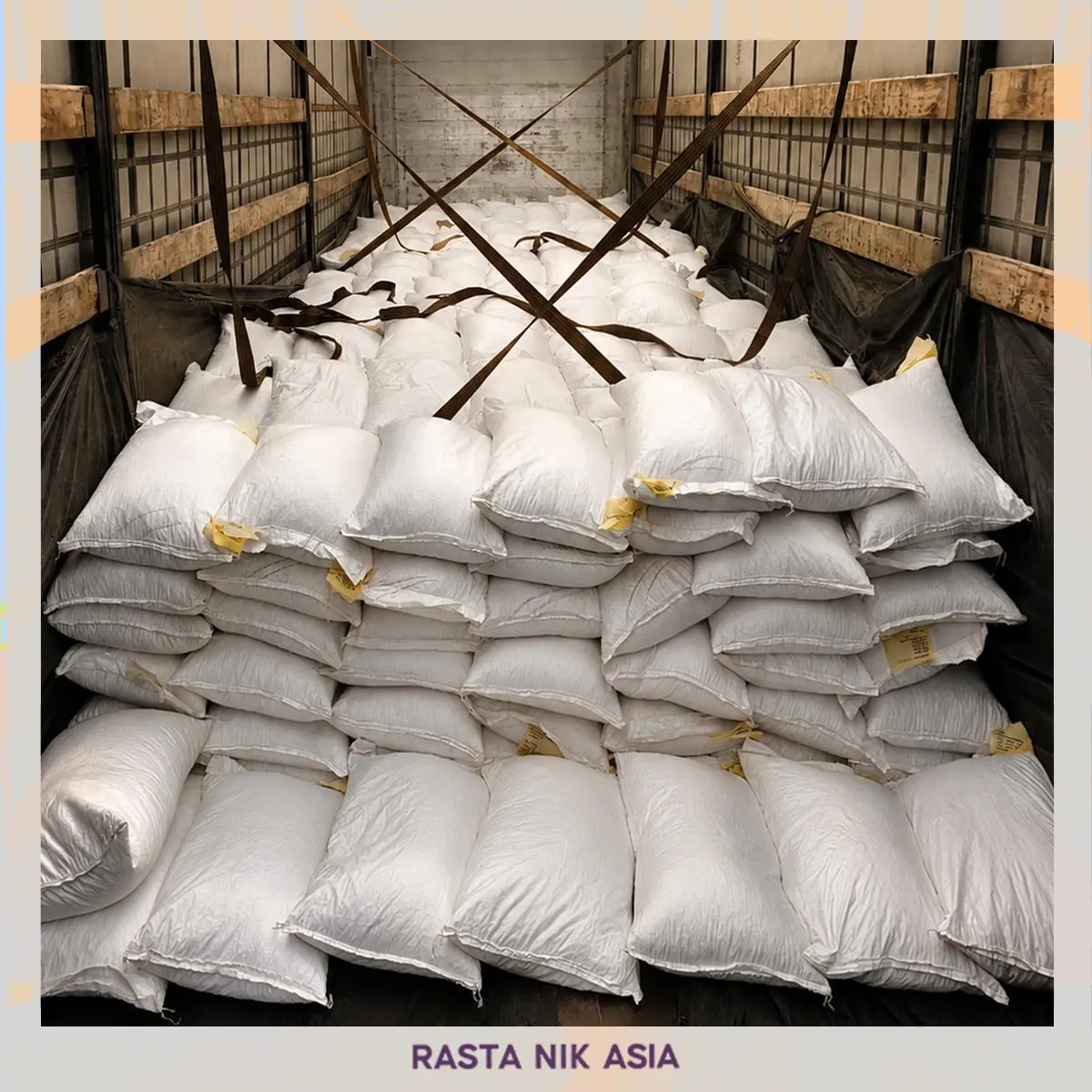
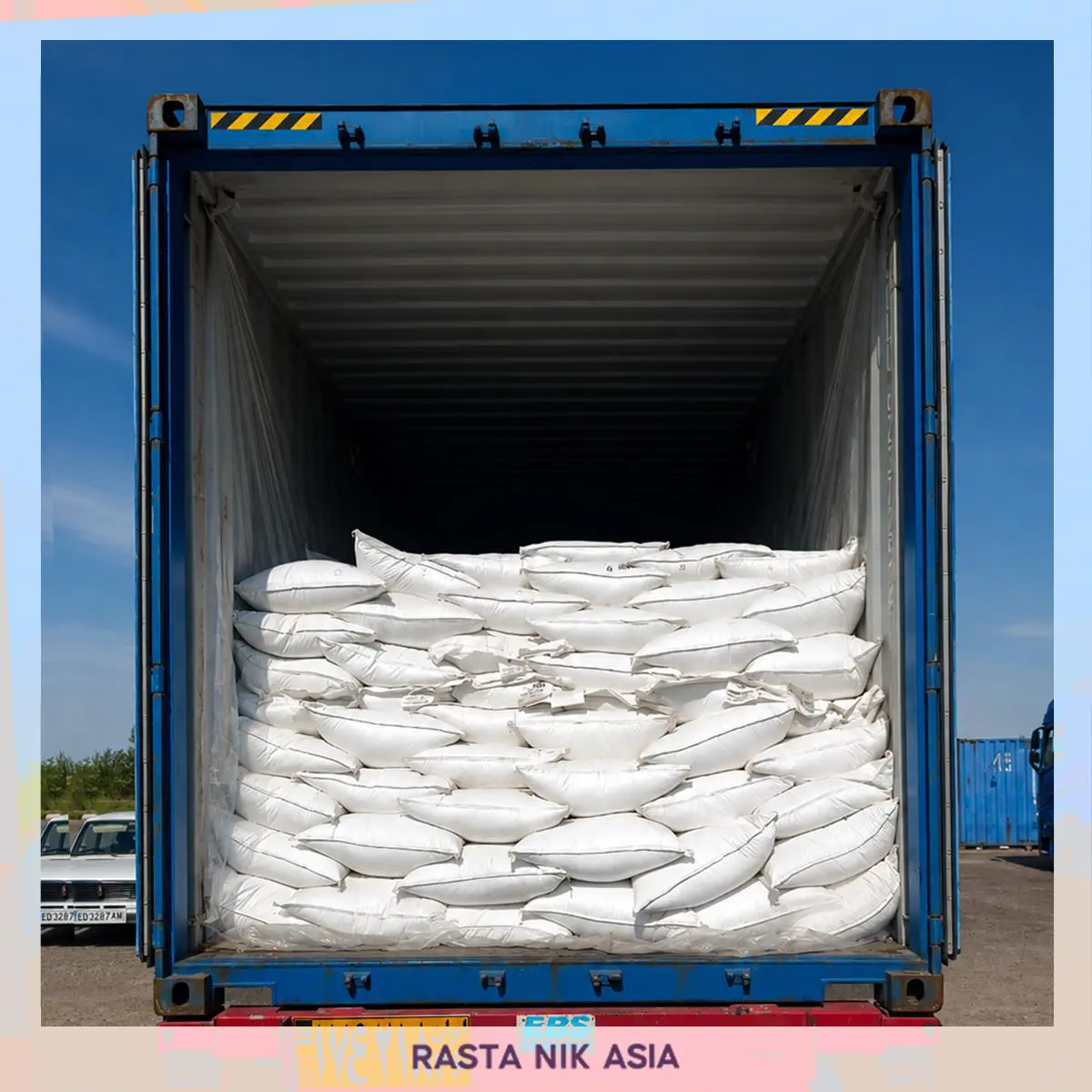
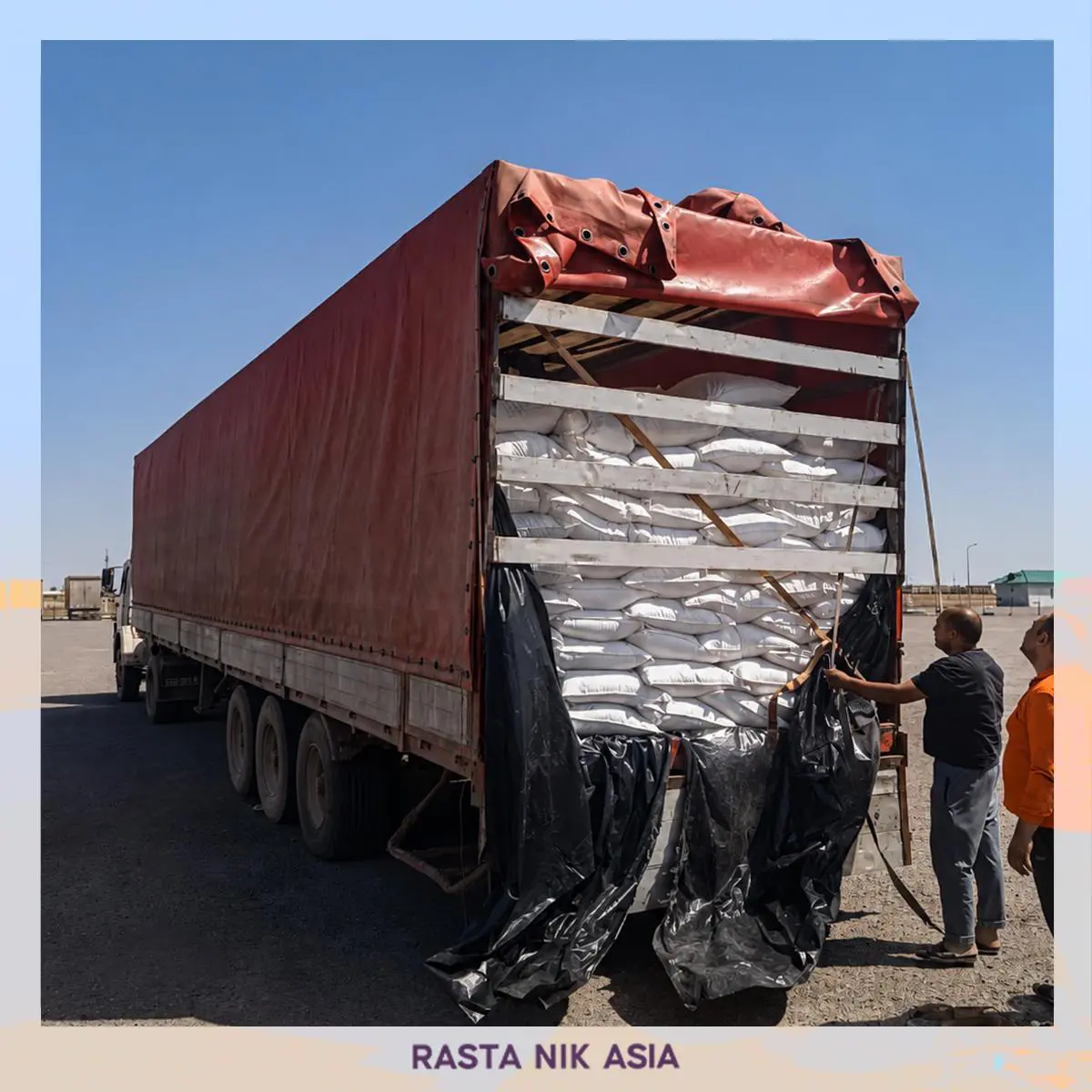
Below, you can see real photos of our trucks and shipments on the road:
Industries We Serve
- Agriculture and food trade: wheat, barley, corn, rice, sugar, pulses
- Animal feed and livestock supply: feed, grain, and related inputs
- Construction and minerals: cement, clinker, iron ore, bauxite, building materials
- Manufacturing and industry: machinery parts, steel, plastic and textile products
- Chemicals and petrochemicals: powders and packaged products
- Consumer goods and retail: carton goods and household items
Get a Quote for Dry Cargo Transport from Iran
Tell us your cargo, origin, destination, and deadline. Our team will recommend the route and transport mode, and explain every step before you decide. We handle customs, ports, transit, documentation, and daily reporting so you can focus on your business.
Contact Rasta Nik Asia today to talk to a Freight Expert and request a Free Quote.
Conclusion
Dry Cargo Transport from Iran offers a powerful combination of fast delivery, competitive pricing, and strategic geographic access to multiple markets. With strong ports, advanced road and rail networks, and key international corridors, Iran is one of the most efficient transit gateways for traders from CIS countries, India, China, Turkey, and the UAE.
If you need reliable, safe, and transparent dry cargo transport, Rasta Nik Asia is ready to assist you. We handle all customs, ports, transit, documentation, and daily reporting so you can focus on your business.
Contact Rasta Nik Asia today for a fast quotation and professional consultation.