
If you are a trader or business owner who ships goods through Iran, you need a trusted freight forwarder in Iran. A good freight forwarder gets your cargo from one country to another, by road, sea, rail, or a combination of all three, while handling the paperwork, customs, and coordination that international trade requires.
In this article, we explain what a freight forwarder in Iran does, what it costs, how long transit takes, and how to choose a company you can trust with your shipment.
What Does a Freight Forwarder in Iran Do?
A freight forwarder is a company that arranges the transport of goods from one place to another. They do not own trucks, ships, or trains. Instead, they work with transport companies and handle everything for you, including documents, customs clearance, and finding the best route and price.
For example, if your cargo is moving from India to Kazakhstan and passes through Iran, a freight forwarder in Iran manages the Iranian leg of that journey from the moment cargo enters the country to the moment it exits toward its next destination.
A freight forwarder in Iran provides services such as:
- Booking transport (road, sea, air, or multimodal)
- Managing customs clearance
- Preparing shipping documents (including bills of lading and HS code classification)
- Cargo insurance coordination
- Warehousing and distribution
- Real-time tracking and reporting
Think of them as your local trade expert. someone who makes sure your cargo moves legally, efficiently, and on schedule, even when you're not physically there to manage it.

Why Use a Freight Forwarder in Iran?
Iran sits at a strategic crossroads for international trade, connecting the Persian Gulf to Central Asia and beyond. But moving goods through Iran can be difficult. Rules at the borders, government laws, and trade limits are different depending on the type of cargo and the country it is going to.
Working with an experienced freight forwarder in Iran gives you:
1. Local Knowledge of Iranian Customs Requirements
Iran has special rules for different products. A freight forwarder knows which documents, taxes, and inspections apply to your specific cargo, which reduces the risk of delays or holds at customs.
2. Multilingual Support for International Traders
Many traders from countries like China, India, Russia, or Turkey don’t speak Farsi. A local Iranian freight forwarder speaks the language and communicates directly with customs officers and port agents. This makes the freight forwarding process faster and smoother.
3. Strong Connections at Major Borders & Ports
At Rasta Nik Asia, we have local agents at Iran’s key entry and exit points such as Bazargan, Sarakhs, and Bandar Abbas. This helps us handle customs faster, reduce delays, and transfer your cargo quickly to the next destination.
4. Transparent Updates and Cargo Tracking
With our real-time updates and simple progress reports, you always know where your shipment is. We believe in honest and clear communication with all our clients.
What Services Does a Freight Forwarder in Iran Offer?
If you are shipping goods through Iran, a reliable freight forwarder can manage everything for you from customs paperwork to final delivery. Here are the key services you can expect:
1. Customs Clearance in Iran
A freight forwarder helps you with:
- Completing import and export documentation accurately
- Classifying products under the correct HS codes
- Handling applicable taxes and customs fees on your behalf
Getting this right the first time is one of the biggest factors in avoiding border delays. For more detailed information, you can read this article: Customs Clearance in Iran
2. Multimodal Transport Options
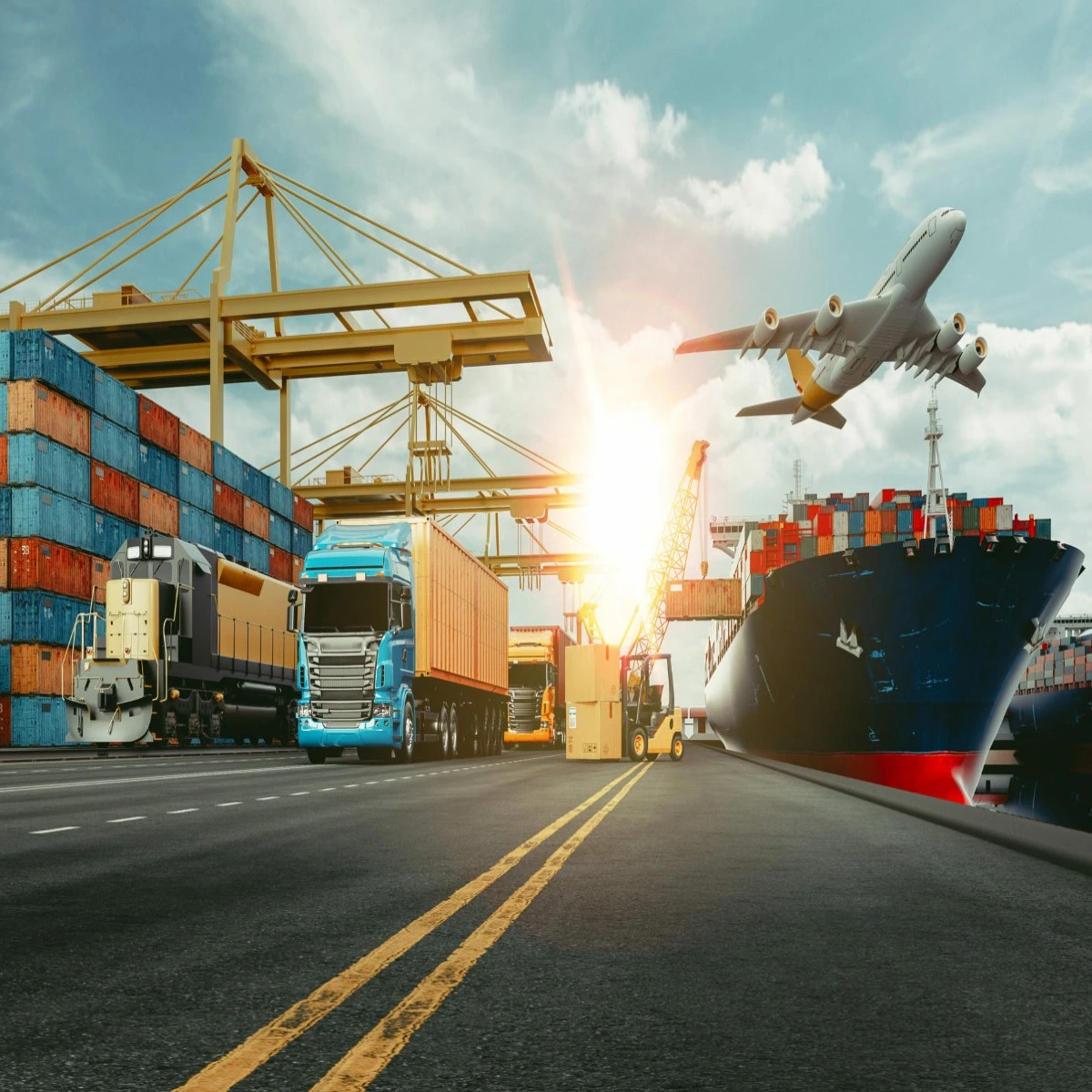
Freight forwarders in Iran can move your cargo using different transport methods, depending on your needs:
- Road Transport: Trucks carry your goods inside Iran and to countries like Uzbekistan, Turkmenistan, Armenia, and Azerbaijan.
- Sea Freight: Ships bring goods to Iran’s southern ports like Bandar Abbas and Shahid Rajaee, and from there, cargo continues by road or rail.
- Rail Transport: Trains bring goods from China or Europe, passing through Iran to Central Asia.
A freight forwarder can combine these routes depending on your needs. You can find more information here: multimodal freight services in Iran
3. Cargo Consolidation and Deconsolidation
You can save money when shipping smaller loads. For shippers who don't need a full container:
- Consolidation: Combining your cargo with others to reduce transport costs
- Deconsolidation: Separating shipments at the destination for local delivery
This service is ideal for traders who don’t ship full containers.
4. Cargo Insurance and Compliance
To protect your goods and keep your shipment aligned with applicable trade regulations, forwarders typically offer:
- Optional cargo insurance
- General trade compliance checks appropriate to your shipment and destination
If your trade lane involves regulatory considerations specific to your industry or destination, it's worth discussing these directly with your forwarder early in the process.
Learn more: How to Get Cargo Insurance for Iran Shipping
How Much Does a Freight Forwarder in Iran Cost?
Freight forwarding costs vary by shipment, but several factors consistently influence the final price:
- Transport mode: Land freight is typically the most cost-efficient for large volumes, sea freight balances cost and capacity, and road transport offers the most flexibility for smaller or time-sensitive loads
- Cargo type and volume: consolidated (LCL) shipments cost less per unit than full container loads, but full loads (FCL) often have a lower cost per unit overall
- Route and destination: distance, border crossings, and the number of transit countries all affect total cost
- Customs complexity: Cargo requiring special permits, inspections, or additional documentation may carry higher handling fees
- Insurance and value-added services: optional services like cargo insurance, warehousing, or expedited handling add to the base cost.
Because pricing depends heavily on your specific cargo and route, the most accurate way to understand cost is to request a quote directly. Most forwarders, including Rasta Nik Asia, can provide a cost estimate within a short turnaround once they have your shipment details. You can call us today to get a cost estimate for your shipment.
Transit Times Through Iran: Road vs. Sea vs. Rail
Transit time is often as important as cost when choosing how to move cargo. Here's a general comparison:
|
Transport Mode |
Typical Speed | Cost Tier |
Best For |
|
Road |
Fastest for regional moves |
Higher per unit |
Time-sensitive, smaller shipments, last-mile delivery |
|
Sea |
Slower, but high capacity |
Lower per unit |
Large volumes, less time-sensitive cargo |
|
Rail |
Moderate speed, steady schedule |
Cost-efficient for volume |
Bulk cargo, long-distance corridors (e.g., China to Central Asia) |
Actual transit times depend on your specific origin, destination, border conditions, and the season. A freight forwarder can give you a realistic timeline once they know your route. For more information, contact our team.
Who Needs a Freight Forwarder in Iran?
You need a freight forwarder in Iran if you are:
- A trader moving goods between China, India, the UAE, Turkey, or Europe and CIS countries
- A logistics company with no local partner in Iran
- A business owner exporting or importing goods that pass through Iranian territory
Even if your company is outside Iran, your cargo may still pass through the country. That’s when a local freight forwarder becomes very helpful.
How to Choose the Best Freight Forwarder in Iran for Your Business
Not all freight forwarders offer the same level of reliability. Use this checklist when evaluating a provider:
- Proven international trade experience, especially in your specific target region or trade lane
- Familiarity with Iranian customs rules for your cargo type
- Clear communication in your language, with consistent, regular updates
- Transparency about pricing: no hidden fees or vague cost estimates
- Responsiveness: how quickly they answer questions and resolve issues
- Service breadth: multimodal transport, customs clearance, warehousing, and last-mile delivery under one roof
- Verifiable credentials: industry licenses, certifications, and years of operating experience
Why Trust Rasta Nik Asia?
At Rasta Nik Asia, we go beyond basic freight forwarding to become your logistics partner inside Iran. Here's what sets us apart:
- 13 years of experience moving cargo through Iran's transit corridors for international clients
- FIATA-licensed: recognized under the global freight forwarding industry standard set by the International Federation of Freight Forwarders Associations. You can check our FIATA license on our about us page
- Always accessible: our multilingual team (English, Farsi, Russian, and more) is available to support you regardless of your time zone
- Fast response times: we reply to client messages within minutes, not days, to keep your supply chain moving
- Transparent, real-time reporting: clear updates at every stage of your shipment, with no guesswork
- On-the-ground presence: local agents stationed at Iran's major border crossings and ports, including Bandar Abbas, Bazargan, and Sarakhs
We handle the complexity of transit through Iran so you can focus on growing your trade business.
Final Words
Working with a reliable freight forwarder in Iran helps your shipment move through the country faster, with fewer surprises along the way. Whether your cargo travels by road, sea, or rail, a local expert with real experience, like Rasta Nik Asia, can make the process significantly easier to manage.
Have a shipment passing through Iran? Contact us for a quote, and our team will respond with a cost estimate and transit timeline within one business day.