
Shipping goods from Iran to India has been an important part of regional trade for decades. Both countries have strong cultural and economic connections. Every year, large quantities of petrochemical products, dry fruits, saffron, livestock, industrial machinery, and raw materials move between the two countries. As trade between Iran and India continues to grow, more businesses are looking for reliable ways to move their cargo safely and on time.
However, for many foreign traders, the process can feel complicated. There are customs rules to follow, shipping documents to prepare, and transport routes to choose from. If you make a mistake at any stage, it can cause delays, extra costs, or even legal problems.
This step-by-step guide will take you through the whole process of shipping goods from Iran to India. It covers everything from choosing the right freight forwarder to the final delivery. Whether you are importing food products, moving industrial equipment, or routing cargo through Iran from Central Asia, this article will help you understand the process and make better decisions.
Why Trade Between Iran and India Matters
India is one of Iran's most significant trading partners in Asia. The most common goods shipped on this route include:
- Petrochemical products, bitumen, and minerals
- Dry fruits, pistachios, saffron, and other agricultural products
- Livestock and animal feed
- Industrial machinery, spare parts, and steel products
- Polymers and chemical raw materials
Iran's location gives it a very important advantage in international trade. It sits between the Persian Gulf and Central Asia, which means it acts as a natural bridge connecting South Asian markets, especially India, with Central Asian countries, Afghanistan, and the Middle East.
Iran's southern ports, particularly Bandar Abbas and Chabahar, have direct sea connections to Indian ports such as Nhava Sheva, Mundra, and Mumbai. Transit times on this route are often much shorter than other available routes.
For traders moving cargo from landlocked countries like Uzbekistan or Turkmenistan, Iran's transit corridor is not just a convenient option; it is often the only practical choice.
The INSTC: An Important Trade Corridor
One of the most important developments for Iran–India freight is the International North-South Transport Corridor (INSTC). This is a multimodal trade route, using a combination of sea, rail, and road transport to connect India, Iran, Russia, and Central Asia.
Under the INSTC, cargo can travel from Indian ports to Bandar Abbas or Chabahar by sea. From there, it continues northward through Iran by rail or road to reach Russia, the Caucasus region, or Central Asian markets. In the opposite direction, goods from Central Asian countries move through Iran and reach Indian buyers using the same corridor.
Chabahar Port is especially important in this context. India and Iran have a special agreement about this port, which gives Indian traders direct access to Iran and onward connections to Afghanistan and Central Asia, without needing to pass through Pakistan.
For traders who deal with goods originating in Afghanistan or Central Asian countries, Chabahar is increasingly the preferred port of entry and exit.
Step 1: Choose the Right Shipping Method for Shipping Goods from Iran to India
The first practical step is choosing how you will transport your goods. Different methods suit different types of cargo, budgets, and delivery timelines.
Sea Freight
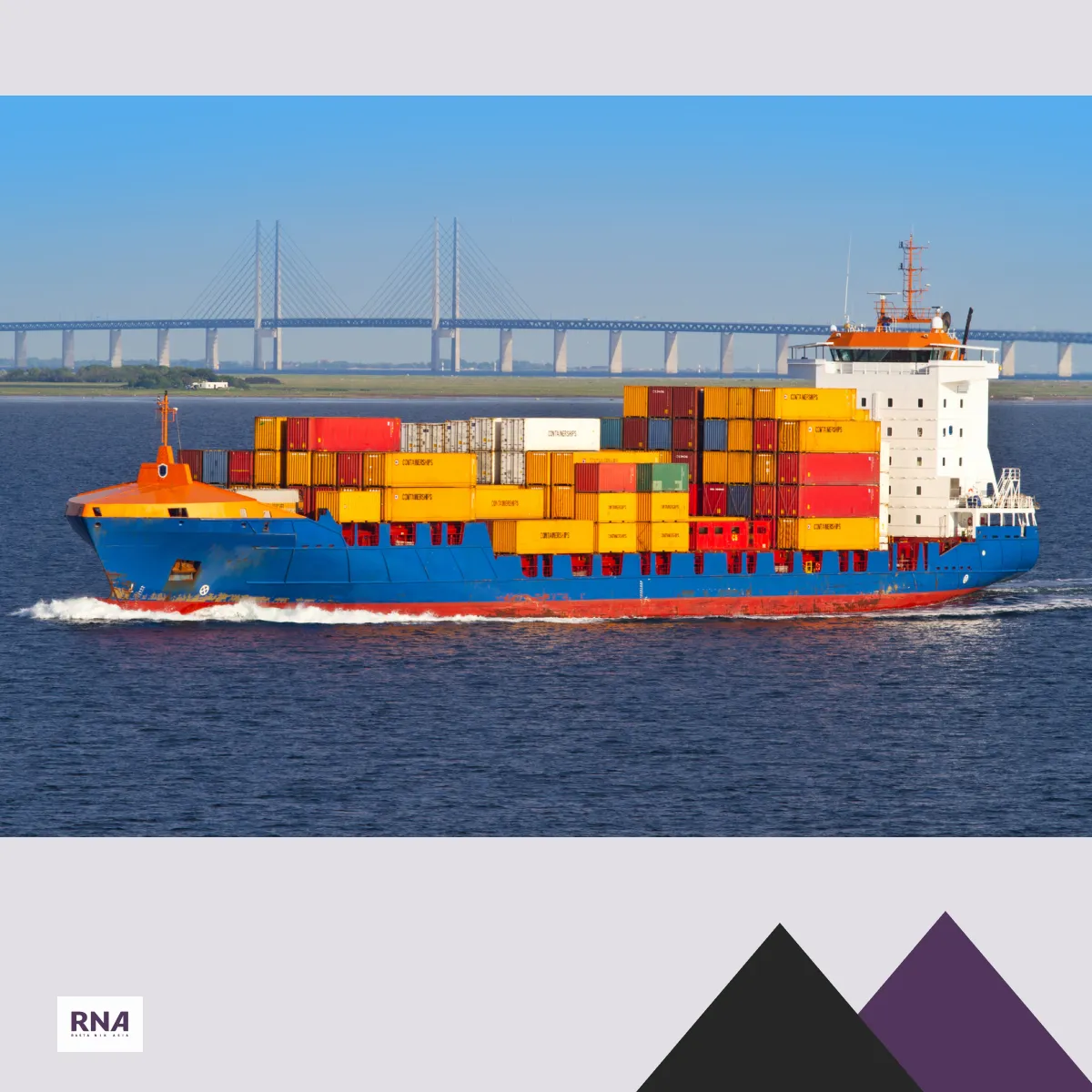
Sea freight is the most affordable option for large or heavy shipments. The main shipping route goes from Bandar Abbas to Nhava Sheva (JNPT), Mundra Port, or Mumbai Port in India. Transit times are typically between 7 and 14 days, depending on the vessel schedule and how busy the ports are at that time.
Sea freight works well for:
- food products
- dry goods
- petrochemicals
- and industrial equipment
Sea freight is the most popular choice for traders on this route because of its low cost and reasonable speed.
 Multimodal Freight (Road + Sea)
This method combines road and sea transport. It is a common solution for traders in Central Asian countries or Afghanistan, where cargo first travels by truck through Iran before reaching a southern port. The goods are then loaded onto a ship and sent to India.
Multimodal freight is one of the core services that Rasta Nik Asia provides. Managing the full overland and sea journey as one coordinated freight operation, so traders do not need to deal with multiple companies.
Air Freight
Air freight is the fastest option, with transit times of just 1 to 3 days. However, it is also significantly more expensive than sea freight. It is usually chosen for high-value goods, time-sensitive deliveries, or perishable items like pharmaceutical products or fresh food.
Rail Freight
Rail freight is a growing option, especially within the INSTC corridor. It connects Iranian railways with Central Asian and Russian rail networks. While this option is still developing, it is becoming more competitive for bulk commodity shipments over long distances.
When you work with a freight forwarder for shipping goods from Iran to India, they will help you choose the right mode depending on cost, time, and cargo type. Contact us today for more information.
Step 2: Understand Incoterms
Before you book a shipment, both the buyer and the seller need to agree on Incoterms. These are internationally recognized trade terms that clearly define who is responsible for costs, insurance, customs procedures, and risk at each point in the journey.
Not understanding Incoterms is one of the most common mistakes traders make. If responsibilities are not clearly defined before the shipment begins, disputes and unexpected costs can arise.
The most commonly used Incoterms for shipping goods from Iran to India are:
- FOB (Free On Board): The seller is responsible for the goods until they are loaded onto the ship at the Iranian port. After that, all costs and risks transfer to the buyer.
- CIF (Cost, Insurance, and Freight): The seller pays for freight and insurance to the destination port in India. Risk transfers to the buyer once the goods are on board the vessel.
- DAP (Delivered at Place): The seller takes responsibility for delivering the goods to an agreed location inside India. The buyer is only responsible for import customs clearance at the Indian end.
Choosing the right Incoterm affects what documents you need, who arranges insurance, and who handles customs at each border. An experienced freight forwarder for shipping goods from Iran to India can advise you on which option best protects your business interests on this specific route.
Step 3: Preparing Your Shipping Documents
Shipping goods from Iran to India requires accurate documentation. If shipping documents are missing, incorrect, or inconsistent with each other, customs authorities can hold your cargo, charge you penalties, or even send your goods back.
Here are the key documents required for shipping goods from Iran to India:
Commercial Invoice
This document lists the goods you are shipping, their total value, and the details of both the buyer and the seller. Customs authorities in both Iran and India use this document to calculate any duties or taxes that apply.
Packing List
The packing list provides detailed information about each package in the shipment, including weight, dimensions, number of items, and contents. It must match the commercial invoice exactly. Any differences between these two documents can cause problems at customs.
Bill of Lading (B/L)
The Bill of Lading is issued by the shipping company as proof that your goods have been received and loaded onto the vessel. It is a legally important document and is required by Indian customs before cargo can be released.
Certificate of Origin
This document officially confirms that the goods were produced or manufactured in Iran. Indian customs requires it and may use it to determine the correct import duty rate for your products.
Iranian Customs Export Declaration
This declaration must be filed with the Islamic Republic of Iran Customs Administration (IRICA) before your goods can leave Iran. All export shipments must be officially registered and approved by IRICA.
Phytosanitary or Health Certificates
These certificates are required for food products, agricultural goods, and livestock. They confirm that the goods meet food safety and biosecurity standards. Indian port health authorities check these carefully before allowing such goods to enter the country.
HS Code Classification
Every type of product has an internationally recognized code called an HS code (Harmonized System code). This code tells customs authorities what kind of product you are shipping and determines how much import duty applies in India.
Using the wrong HS code is a very common mistake, and it can lead to delays, financial penalties, or disputes with customs. Your freight forwarder should always verify the correct code before the shipment is booked.
A professional freight forwarder will prepare, check, and submit all of these freight documents on your behalf, making sure everything complies with the rules of both IRICA in Iran and the Central Board of Indirect Taxes and Customs (CBIC) in India.
Step 4: Export Customs Clearance in Iran
Before your goods can leave Iran, they must pass through Iranian customs clearance. This process is managed by IRICA and ensures that all exports follow Iranian trade laws and international regulations.
- Cargo Inspection & Classification
Customs checks the goods, confirms the product type, verifies the HS code, and ensures export regulations are met. - Export Duties & Fees
Certain goods may require export duties or additional charges. Your freight forwarder will confirm and arrange payment if needed. - Document Approval
Customs reviews and approves all export documents, including the invoice, packing list, certificate of origin, and export declaration. - Cargo Release
After approval, the shipment is cleared for export and moved to the port for loading. - Special Export Controls
Some food, agricultural, and industrial products may require extra permits or inspections. An experienced freight forwarder can help prevent delays and customs issues.
Step 5: Port Operations and Sea Transport
Once your cargo is cleared for export, it is transported to one of Iran's southern ports for loading. Choosing the right port for your shipment is an important logistics decision.
Bandar Abbas
Bandar Abbas is Iran's largest and busiest commercial port. It handles the majority of containerized and bulk cargo that is destined for India. It has regular vessel services connecting directly to Nhava Sheva, Mundra, and Mumbai.
Chabahar Port
Chabahar is Iran's only oceanic port, located on the Gulf of Oman. It is particularly important for shipping goods from Iran to India because of its direct connections to Afghanistan and Central Asia. For certain types of cargo and trade routes, Chabahar offers clear logistical advantages over Bandar Abbas.
Indian Destination Ports
- Nhava Sheva / Jawaharlal Nehru Port (JNPT), Mumbai: India's largest container port and the main destination for Iran-origin cargo
- Mundra Port, Gujarat: The preferred option for bulk shipments and large containerized goods
- Mumbai Port: Commonly used for smaller general cargo shipments
Typical Transit Times from Iran to India by Sea
|
Route |
Approximate Transit Time |
|
Bandar Abbas → Nhava Sheva (JNPT) |
7–10 days |
|
Bandar Abbas → Mundra Port |
6–9 days |
|
Chabahar → Nhava Sheva (JNPT) |
4–7 days |
These transit times are among the shortest available for cargo moving between Iran and India, which makes sea freight on this route both efficient and cost-effective.
Step 6: Cargo Insurance
Cargo insurance is an essential part of any international shipment, but many traders forget about it or decide to skip it in order to save money. This is a serious mistake.
Shipping goods from Iran to India passes through many different stages: inland trucking to the port, loading onto a vessel, the sea journey, unloading at the Indian port, and final delivery. At each of these stages, there is a risk of damage, loss, or theft. Without cargo insurance, you have no financial protection if something goes wrong.
A reliable freight forwarder will either arrange cargo insurance for you directly or guide you toward the right insurance provider. The important thing is to confirm your insurance coverage before the goods are loaded.
Step 7: Import Customs Clearance in India
When your shipment arrives at an Indian port, it must pass through Indian customs before it can be released. This process is managed by the Central Board of Indirect Taxes and Customs (CBIC) and is designed to make sure that all imported goods meet Indian trade laws and safety standards.
- Bill of Entry Filing
The importer or customs broker submits a Bill of Entry to declare the goods, quantity, and shipment value. - Document Verification
Customs reviews all shipment documents, including the invoice, bill of lading, packing list, certificate of origin, and required certificates. - Inspection & Risk Assessment
Some shipments may undergo physical inspection, especially food, chemicals, livestock, or high-risk cargo. - Import Duties & Tax Payment
Import duties, GST, and other charges must be paid before cargo release. Costs depend on the HS code and product category. - Cargo Release
Once documents are approved and payments are completed, customs releases the cargo for delivery. - Customs & Compliance Support
Indian import procedures can be strict, particularly for food, agricultural, and chemical products.
An experienced freight forwarder and customs broker helps speed up clearance and avoid delays.
Step 8: Final Delivery Inside India
After customs clearance, your cargo enters the final stage of its journey, which is delivery to the buyer's location inside India. The delivery method will depend on where the buyer is located and what was agreed in the Incoterm.
Common delivery options include:
- Inland trucking: from the port to a warehouse, factory, or distribution center
- Rail freight: a good option for long-distance deliveries to cities far from the coast
- Multi-drop distribution: used when a shipment needs to be divided and delivered to several different buyers or locations
Choosing the Right Freight Forwarder for Shipping from Iran to India
Selecting a trusted logistics partner is the most critical part of shipping goods from Iran to India. Look for a forwarder with:
- Strong connections with Iranian ports and customs offices.
- Reliable trucking networks to transport goods from inland regions to ports.
- Knowledge of Indian customs clearance procedures.
- Transparent pricing and reporting.
Rasta Nik Asia, for example, is known for being always available, offering detailed shipment reports, and maintaining strong relationships with port authorities and drivers. This gives traders peace of mind during every stage of shipment.
Important Factors to Consider for Iran–India Shipments
Banking and Payment
Making international payments between Iranian exporters and Indian buyers can sometimes be complicated, due to the current international banking environment.
It is important to work with a freight forwarder that understands this reality and can help you find practical payment solutions that comply with all relevant regulations.
Restricted and Controlled Goods
Not all goods can move freely between Iran and India. Some chemicals, dual-use products, and certain agricultural items may require special export permits from Iranian authorities or import licenses from Indian government agencies.
Before booking any shipment, your freight forwarder should check whether your goods fall into any restricted or controlled category. You can contact us to get more information about shipping goods from Iran to India.
Seasonal Delays and Port Congestion
India's west coast ports, including JNPT and Mundra, can experience significant delays during the monsoon season, which runs from June to September. Heavy rain affects vessel schedules and port operations. If you are planning a shipment during this period, it is wise to build extra time into your delivery schedule and book early.
Useful Tips for Shipping Goods from Iran to India
- Always verify your HS code before booking. An incorrect code can lead to customs holds, unexpected duty charges, and delays.
- Arrange cargo insurance before your goods are loaded. Do not wait until something goes wrong.
- Plan your shipment timeline carefully. Port congestion at JNPT and Mundra can add days to your delivery time, especially during busy trade periods.
- Ask your freight forwarder for regular shipment reports. Clear, consistent updates at every stage of the journey protect you from surprises.
- Choose a forwarder with strong English communication skills. Effective communication between Iranian and Indian logistics networks is harder than it sounds. A forwarder who can communicate clearly in English with all parties involved is a significant practical advantage.
- Check all phytosanitary and health certificate requirements well in advance, especially if you are shipping food, live animals, or agricultural products. Indian port health authorities apply strict documentation rules.
Why choose a Freight Forwarder for Shipping goods from Iran to India?
Iran–India freight forwarding requires specific knowledge and experience. The route involves two different regulatory systems, multiple possible transport methods, and operational complexity that general logistics companies often find difficult to manage.
A specialist freight forwarder on this route offers:
- Strong relationships with port authorities, customs officials, and transport operators in both countries
- Document preparation expertise to make sure all paperwork is accurate and complete before the shipment departs
- Regulatory knowledge of both IRICA export procedures in Iran and CBIC import rules in India
- Consistent communication and regular shipment updates throughout the entire journey
- Practical problem-solving when unexpected issues come up, such as port congestion, customs queries, or document errors
At Rasta Nik Asia, this is exactly what we do. Our team specializes in cross-border freight through Iran. We coordinate road, sea, and multimodal shipments for international traders from India, Central Asian countries, the UAE, China, and Turkey. We receive cargo at Iran's southern ports and transit points, manage the full logistics process across the corridor, and make sure your goods arrive safely and on schedule.
What makes us different from other logistics companies is not only our network, but also our commitment to clear, honest, and responsive communication.
- We provide detailed updates at every stage of the shipment.
- We respond quickly when clients have questions.
- We solve problems early, before they have a chance to become costly delays.
If you have ever experienced the frustration of not knowing where your cargo is or not being able to reach your logistics provider, you will understand exactly why this matters. To learn how our team can support your business, explore "Rasta Nik Asia’s freight forwarding services".
Conclusion
Shipping goods from Iran to India may seem complex, but with the right partner, it becomes smooth and predictable. From preparing documents to customs clearance and final delivery, every step is easier with a trusted freight forwarder for shipping from Iran to India.
At Rasta Nik Asia, we specialize in international transport and provide transparent, reliable, and timely services. Whether you are importing food, livestock, or industrial products, our team ensures your cargo moves efficiently from Iran to India.
Ready to ship from Iran to India? Contact our team today. We will review your cargo requirements and prepare a customized freight plan that fits your specific trade needs.
Resources
A guide on how to import goods to India