
Moving temperature-sensitive cargo is very different from transporting ordinary freight. Fresh produce, dairy products, frozen food, pharmaceuticals, vaccines, and other sensitive goods must remain within their required temperature range throughout storage, handling, transportation, and delivery.
Cold chain logistics in Iran connects producers, exporters, importers, distributors, and international markets through temperature-controlled storage and transportation. Iran's location between the Persian Gulf, Central Asia, the Caucasus, Turkey, and South Asia also creates opportunities for moving perishable products across regional trade routes.
However, a successful cold chain requires more than putting cargo inside a refrigerated truck. Pre-cooling, appropriate packaging, temperature monitoring, refrigerated storage, customs planning, equipment availability, and fast handovers all affect whether the product arrives in usable condition.
This guide explains how cold chain logistics in Iran works, which products require temperature-controlled transport, the main transport options, common challenges, and what businesses should consider before shipping temperature-sensitive cargo through Iran.
What Is Cold Chain Logistics in Iran?
Cold chain logistics is the process of storing, handling, and transporting temperature-sensitive products under controlled conditions from the point of origin to the final destination.
A typical cold chain may include:
- Production or harvesting
- Pre-cooling
- Temperature-controlled packaging
- Cold storage
- Refrigerated trucking
- Reefer containers
- Airport or port handling
- Customs clearance
- Temperature-controlled transshipment
- Final-mile delivery
- Temperature monitoring and documentation
The objective is not simply to keep a shipment "cold." The cargo must remain within the specific temperature range required by the product.
For example, a pharmaceutical product may require a tightly controlled temperature range that is completely different from frozen food. A logistics provider should therefore confirm the product's specifications before selecting equipment or planning the route.
Why Cold Chain Logistics in Iran Is Important
Iran has a large agricultural and food sector and is also an important regional market for pharmaceuticals and healthcare products. Temperature-controlled logistics therefore plays an important role in both domestic distribution and international trade.
For exporters, effective Cold Chain Logistics in Iran can help:
- Reduce spoilage and product losses
- Preserve food quality and shelf life
- Protect pharmaceutical product integrity
- Support exports of fresh and frozen products
- Connect agricultural production areas with major markets
- Improve access to regional markets in Central Asia and the CIS
- Reduce the risk of rejected shipments
- Maintain product quality during long-distance transportation
How Does Cold Chain Logistics Work in Iran?
A reliable cold chain should be planned as one continuous process rather than as separate transportation stages.
1. Cargo assessment
The logistics provider first needs to understand:
- Product type
- Required temperature range
- Quantity and weight
- Packaging
- Shelf life
- Origin and destination
- Required delivery time
- Customs requirements
- Whether the cargo is chilled, frozen, or temperature-sensitive without being frozen
2. Pre-cooling
A refrigerated trailer is generally designed to maintain the required temperature, not to rapidly cool warm cargo to its target temperature. For this reason, fresh produce and other perishable products may need to be brought to the correct temperature before loading.
3. Temperature-controlled storage
If the cargo needs to wait before transportation, it should be stored in an appropriate cold room or temperature-controlled warehouse.
Temperature mapping is also important, particularly for pharmaceutical storage. The WHO describes temperature mapping as recording and analyzing temperatures across different areas of a storage space to identify temperature variations and ensure appropriate storage conditions.
4. Refrigerated transportation
Depending on the shipment, transportation may use Refrigerated trucks, Reefer containers, Temperature-controlled vans, Air cargo with specialized handling, Rail-based refrigerated solutions, and Multimodal transportation.
5. Temperature monitoring
Temperature should be monitored during transportation rather than checked only when the cargo arrives. Depending on the shipment, monitoring can include Data loggers, Temperature sensors, Digital temperature records, Real-time tracking, Temperature alarms, and Temperature reports at delivery.
6. Customs and border handling
For international shipments, customs clearance is one of the most important points in the cold chain. A delay at a border or customs terminal can create a temperature risk if refrigerated cargo cannot remain under appropriate conditions. For this reason, documentation should be prepared before the shipment reaches the border whenever possible.
Learn more: Key Freight Documents in Iran
7. Final delivery
A shipment can remain within temperature limits during a 2,000-kilometer journey and still face a problem during unloading or last-mile delivery. Loading docks, transfer areas, waiting times, and delivery scheduling should therefore be included in the cold-chain plan.
Cold Chain Transportation Options in Iran
Iran's transportation network allows temperature-sensitive cargo to move by road, sea, air, rail, or a combination of these modes.
1. Refrigerated Road Transport
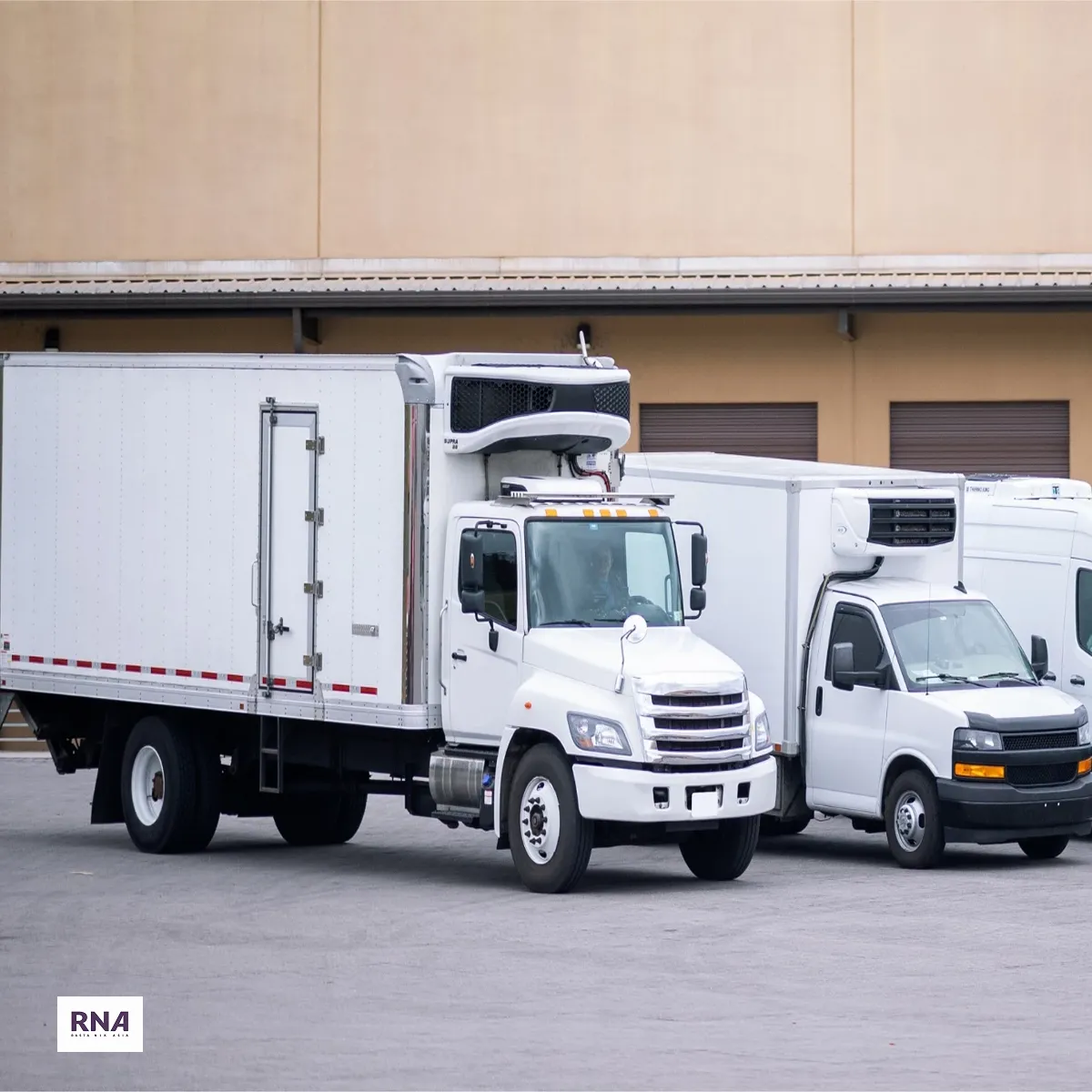
Refrigerated trucks are one of the most practical options for domestic and regional cold-chain shipments. They are particularly useful for cargo moving between:
- Iranian production centers
- Tehran and other major cities
- Ports and inland destinations
- Iran and Turkey
- Iran and Central Asia
- Iran and neighboring countries
Road freight offers flexibility because trucks can provide door-to-door transportation without requiring the cargo to be transferred between several terminals.
2. Reefer Containers
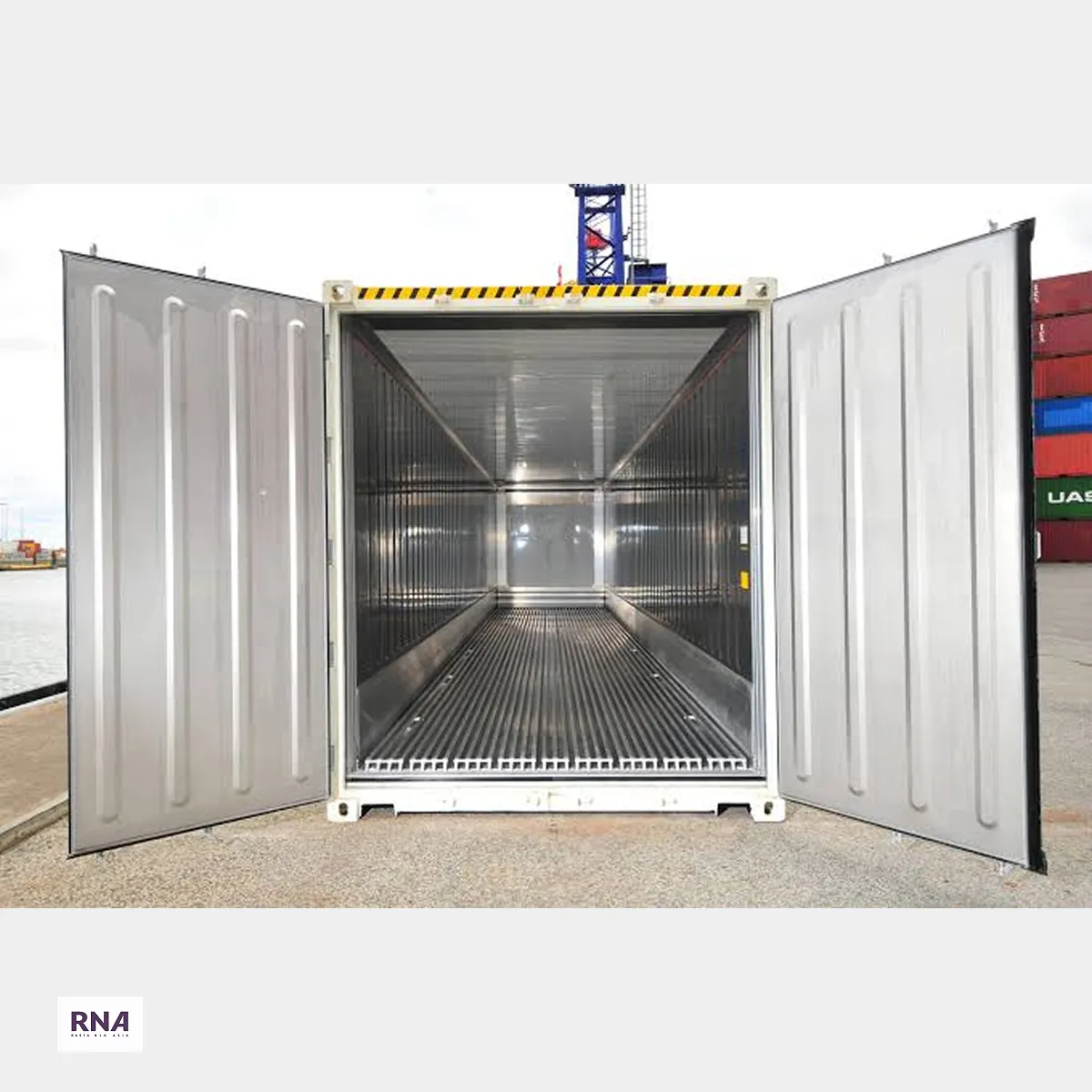
A reefer container is a refrigerated shipping container designed to maintain controlled temperatures during transportation. Reefers are useful when cargo moves through several transport modes.
Iran is developing dedicated cold-chain infrastructure for reefer cargo. For example, APRIN Dry Port near Tehran currently reports 2,600 square meters of temperature-controlled cold storage, eight cool rooms operating from -25°C to +4°C, and 120 reefer plugs.
3. Air Freight for Temperature-Sensitive Cargo
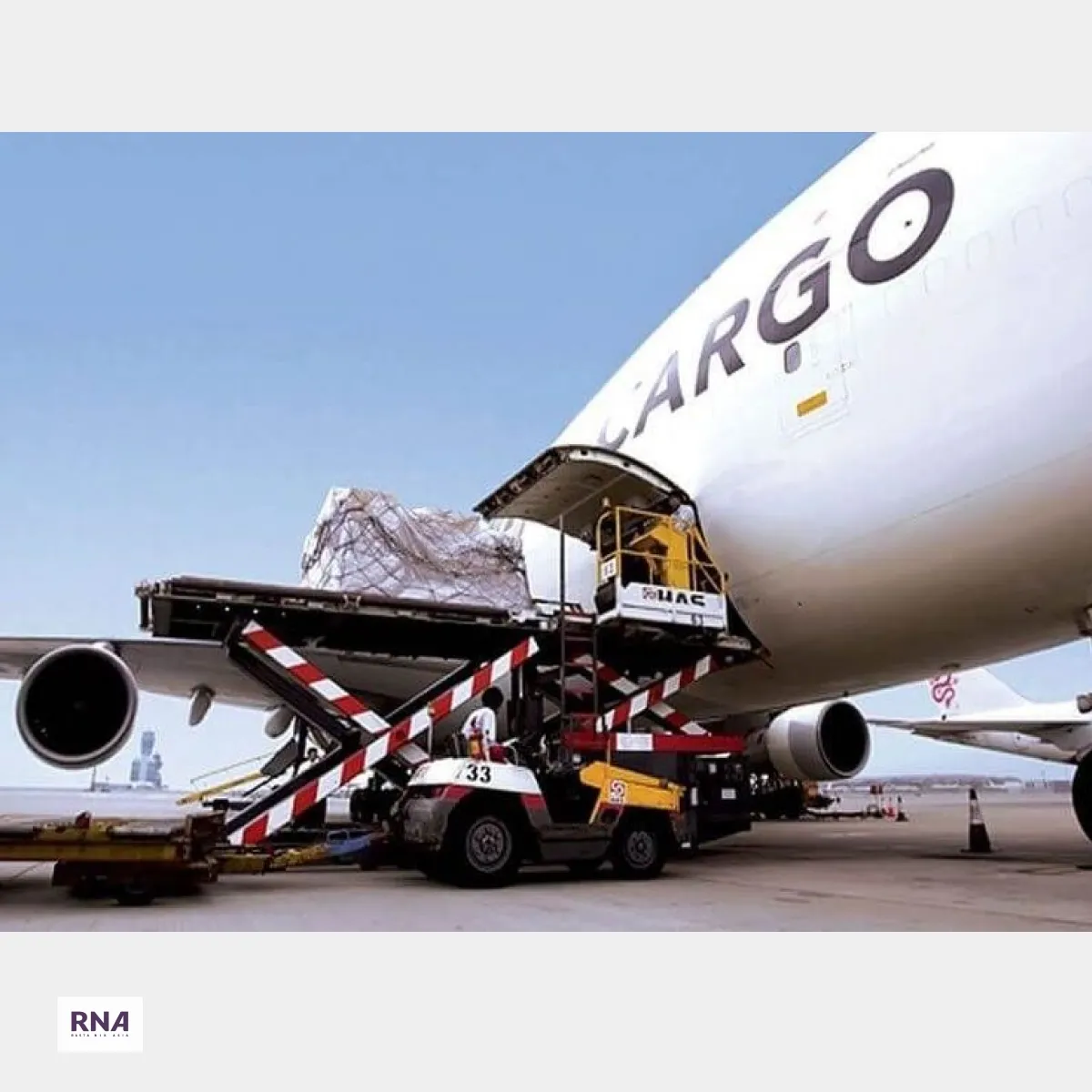
Air freight is often appropriate when speed is more important than transportation cost. It can be suitable for:
- High-value pharmaceuticals
- Urgent medical products
- Biological products
- Premium fresh produce
- Samples
- Short-shelf-life goods
Iran's main international air cargo gateway is Imam Khomeini International Airport near Tehran, while other airports can support regional cargo movements depending on the route and service availability.
4. Sea Freight and Reefer Cargo
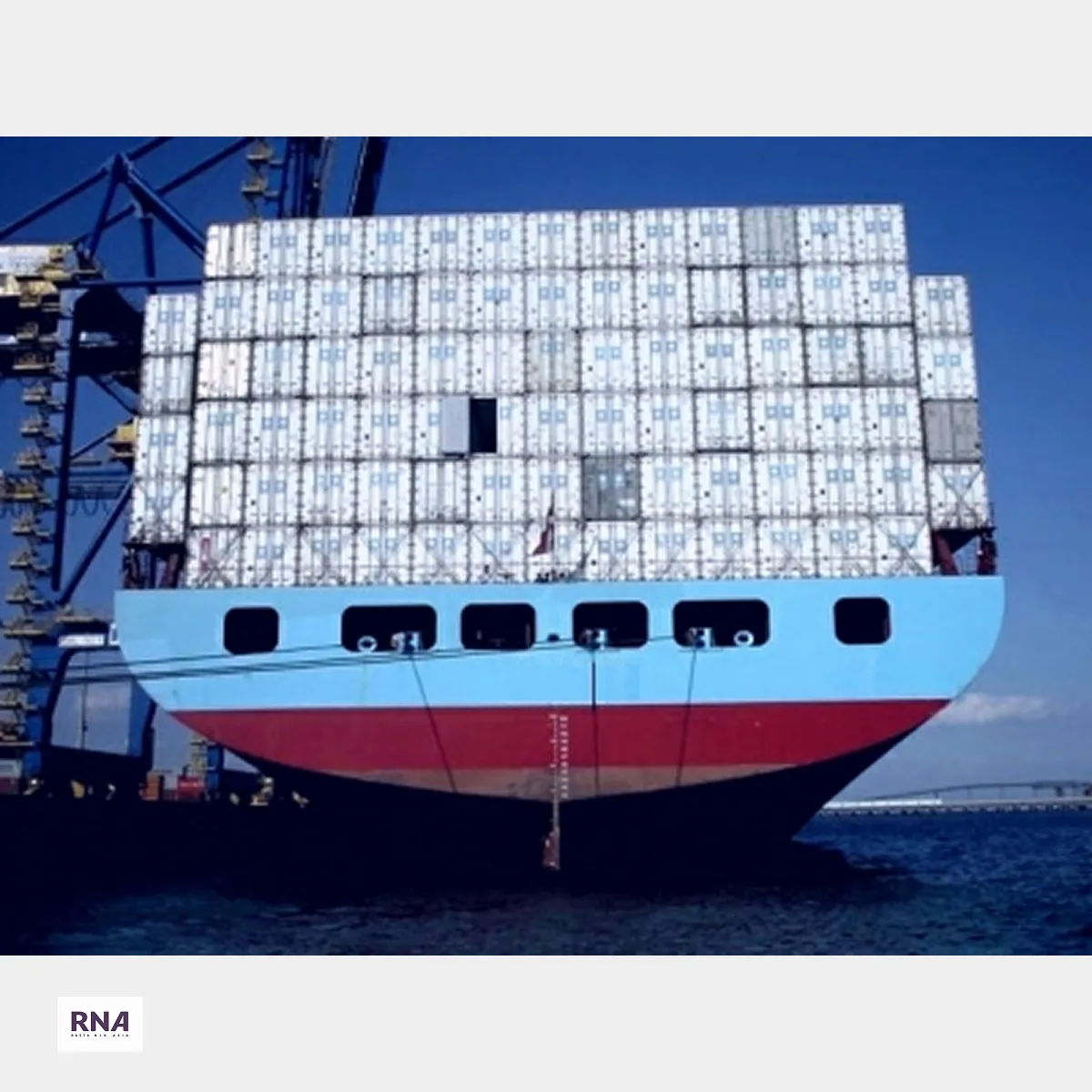
Sea freight is useful for large-volume shipments where transit time allows it. Refrigerated containers can be used for products such as Frozen foods, Meat, Seafood, Dairy products, Certain fresh produce, and temperature-sensitive food ingredients.
Cold Chain Logistics in Iran: Road vs. Sea vs. Air
| Factor | Road | Sea | Air |
| Speed | Fast for regional routes | Slowest | Fastest |
| Cost | Moderate | Usually lower for large volumes | Highest |
| Best for | Regional and door-to-door shipments | Large-volume reefer cargo | Urgent and high-value products |
| Flexibility | High | Lower | Moderate |
| Temperature risk | Depends on transit and equipment | Longer exposure period | Shorter transit but sensitive ground handling |
| Typical equipment | Reefer truck | Reefer container | Temperature-controlled packaging/handling |
| Best use case | Food and regional distribution | Large frozen/chilled shipments | Pharmaceuticals and urgent perishables |
There is no universally "best" transport mode. The correct choice depends on cargo sensitivity, volume, required temperature, distance, delivery deadline, and budget. You can contact our team, and we'll recommend the best transport mode for your shipment.
Key Products That Require Cold Chain Logistics in Iran
Not every temperature-sensitive product needs the same handling. The table below sets out the typical range and mode for the commodities that move most often through Iran's cold chain network.
| Product Category | Typical Temperature Range | Common Transport Mode | Main Destinations |
|---|---|---|---|
| Fresh fruit (kiwi, pomegranate, citrus) | 0-8°C, chilled | Reefer truck; reefer container (sea/rail) | CIS, Russia, UAE, Iraq |
| Fish and seafood (Caspian & Persian Gulf) | -18°C frozen or 0-4°C chilled | Reefer truck; reefer container | CIS, UAE, select EU buyers |
| Dairy products | 2-6°C chilled | Reefer truck | CIS, Iraq, Afghanistan |
| Frozen meat and poultry (import) | -18°C or below | Reefer container (sea); reefer truck | Domestic Iranian market |
| Saffron and specialty spices | Cool, dry, humidity-controlled, not frozen | Air freight; climate-controlled sea container | EU, East Asia, Gulf states |
| Pharmaceuticals and vaccines | 2-8°C for most products; -20°C for select biologics | Air freight; GDP-compliant reefer truck | Nationwide distribution, CIS re-export |
Main Cold Chain Export and Transit Routes from Iran
The right route depends on destination, cargo value, and how much transit time the product can tolerate. The table below gives a practical starting point; actual transit times vary with border conditions and current routing advisories.
| Destination Region | Typical Mode | Main Border / Port | Approx. Transit Time |
|---|---|---|---|
| CIS countries (Uzbekistan, Turkmenistan, Kazakhstan) | Reefer truck or rail | Sarakhs, Incheh Boroun | 3-6 days |
| Russia (via INSTC) | Reefer truck, multimodal | Astara | 5-8 days |
| Turkey and onward to Europe | Reefer truck (TIR) | Bazargan | 4-7 days |
| UAE (Dubai) | Sea reefer container or air freight | Bandar Abbas (subject to advisory) or air via IKA | 1-3 days by sea; same-day by air |
| India | Sea reefer container | Chabahar | 5-9 days |
| Afghanistan / Pakistan | Reefer truck | Milak, Dogharoun, Zahedan | 2-5 days |
Regulatory and Documentation Requirements for Cold Chain Logistics in Iran
Cold chain shipments face the standard Iranian export and customs documentation, plus a set of health and quality requirements specific to perishable and temperature-sensitive goods.
- Phytosanitary certificate, issued by Iran's Plant Protection Organization, for fresh fruit, vegetables, and plant-based products.
- Veterinary health certificate, issued by the Veterinary Organization of Iran, for fish, dairy, and other animal-origin products.
- Commercial invoice, packing list, and certificate of origin, cleared through IRICA alongside standard customs procedures.
- HACCP or equivalent food-safety documentation, increasingly requested by CIS and Gulf buyers as a condition of import.
- GDP (Good Distribution Practice) documentation and continuous temperature logs for pharmaceutical and biologic shipments.
- Temperature recorder data (data-logger printouts) submitted at destination customs for high-value or regulated cold chain cargo, particularly pharmaceuticals.
Requirements can vary by destination country and by product, so it is worth confirming the exact document set with a freight forwarder familiar with both the Iranian export side and the import rules at the destination.
Common Challenges in Iran's Cold Chain Logistics
- Long transit distances and high ambient temperatures during summer months, which put extra load on reefer units over multi-day road journeys.
- Inconsistent power availability at some storage facilities and border crossings, increasing the risk of a temperature excursion during a stop.
- Customs and border delays that were built around general cargo timelines, not the tighter windows perishable cargo needs.
- Documentation errors or mismatches between Iranian export paperwork and destination-country import requirements, which can hold cargo at the border.
- Geopolitical routing disruption affecting the southern sea ports, requiring shippers to plan alternate routes in advance rather than reacting after a shipment is already booked.
Rasta Nik Asia addresses these risks through border representatives who monitor crossing conditions directly, transparent shipment tracking so clients see status changes as they happen, and route planning that builds in an alternate option before cargo leaves origin.
How to Choose a Provider for Cold Chain Logistics in Iran
Choosing a cold-chain provider should involve more than comparing freight rates. Ask potential logistics providers:
- Do you have access to refrigerated trucks or reefer containers?
- What temperature ranges can you support?
- How is temperature monitored?
- Can you provide temperature records after delivery?
- What happens if the refrigeration unit fails?
- How are customs and border delays handled?
- Where can the cargo be stored if transit is delayed?
- Can you arrange multimodal transportation?
- Can you handle pharmaceutical or food-specific documentation?
- Do you provide cargo insurance?
- Which Iranian ports and border crossings can you support?
- Can you provide real-time shipment updates?
For international shipments, the logistics provider should also understand the specific corridor rather than treating Iran as a simple point-to-point destination.
How Much Does Cold Chain Logistics in Iran Cost?
There is no fixed price for cold-chain transportation in Iran. The final freight fee in Iran can depend on Cargo type, Temperature requirement, Weight and volume, Reefer equipment, Origin and destination, Distance, Transport mode, Fuel and carrier charges, Cold storage requirements, Customs handling, Border crossings, Packaging, Monitoring requirements, Insurance, and Urgency.
For example, shipping 20 tons of frozen food by reefer truck will have a very different cost structure from sending 200 kg of temperature-sensitive pharmaceutical products by air. Contact us today to get a reliable quote based on your actual cargo specifications and route, rather than a general price per kilometer.
Why Choose a Freight Forwarder for Cold Chain Shipments in Iran?
Cold-chain shipping requires more than a refrigerated truck. It demands precise coordination of equipment, storage, customs, documentation, temperature monitoring, border crossings, and final delivery.
Rasta Nik Asia manages the complete process, connecting Iran with Central Asia, the CIS, India, the UAE, and global markets through road, rail, sea, and air freight. From reefer equipment to customs clearance, we keep your temperature-sensitive cargo moving safely and efficiently.
Ready to ship with confidence? Contact Rasta Nik Asia today for a tailored cold-chain logistics solution in Iran.
Conclusion
Cold chain logistics in Iran is an important part of the country's food, agricultural, pharmaceutical, and international trade supply chains. Successful temperature-controlled transportation requires much more than a refrigerated truck. The entire journey must be planned around the product's required temperature, including pre-cooling, packaging, cold storage, transportation, customs clearance, monitoring, border crossings, and final delivery.
If you are shipping pharmaceuticals, fresh produce, frozen food, dairy products, or other temperature-sensitive cargo through Iran, call us and let Rasta Nik Asia evaluate the cargo requirements and design a suitable transportation route for your cargo.
Resources
What is cold chain logistics? A complete guide