

China and Iran have been trading partners for centuries, and China remains one of Iran's largest sources of imported goods. If you are shipping from China to Iran for the first time, or you want to compare your options, this guide walks you through the routes, transit times, customs steps, and practical decisions that matter most.
Rasta Nik Asia works as a transit logistics partner for cargo moving through Iran, including door-to-door and factory-to-door road freight from China to Iran and other countries in the region. We wrote this guide to help you understand how the process actually works, not just to sell a service.
How Shipping from China to Iran Works
Cargo moving from China to Iran usually follows one of these paths:
- Sea freight to a southern Iranian port, then inland transport to the final destination.
- Rail freight overland through Central Asia, arriving at a dry port near Tehran.
- Air freight for urgent or high-value cargo.
- Multimodal transport, which combines two or more of the above (for example, rail plus road, or sea plus road).
Which one works best for you depends on your cargo type, budget, delivery deadline, and how much risk you are willing to accept on transit time.
Shipping Methods from China to Iran
Sea Freight for Shipping from China to Iran
Sea freight is the most commonly used method for trade between China and Iran, especially for bulk goods, industrial equipment, and shipments that are not time-sensitive.
- Departure ports: Shanghai, Ningbo, Shenzhen, Qingdao, Guangzhou/Nansha, and other major Chinese ports.
- Arrival ports: Bandar Abbas (Shahid Rajaee), Bandar Imam Khomeini, and Chabahar.
- Shipment types: Full Container Load (FCL) for larger volumes, and Less than Container Load (LCL) for smaller shipments that can share container space with other cargo.
- Typical transit time: Transit times vary widely depending on the departure port, the shipping line, and current routing conditions. Under normal conditions, transit has generally ranged from around two to five weeks. Because of the current shipping conditions discussed below, actual transit times can vary significantly right now, so always confirm the latest timeline with your forwarder before planning around a fixed date.
FCL is usually more economical for large volumes, since you pay for the whole container regardless of how full it is. LCL is a better fit for smaller shipments, since you only pay for the space your cargo takes up, but it can mean more handling and slightly longer transit as your cargo is consolidated with other shipments.
Learn more: FCL vs. LCL in Iran: which shipping method is better?
Rail Freight: The China–Kazakhstan–Turkmenistan–Iran Corridor
One of the most significant developments in China-Iran logistics is the direct rail corridor connecting China to Iran through Central Asia. This route is part of a broader set of rail corridors linking China, Kazakhstan, Uzbekistan, Turkmenistan, and Iran, developed as part of wider Belt and Road connectivity efforts.
- Typical route: trains depart from Chinese rail hubs such as Xi'an, Yiwu, or Urumqi, cross Kazakhstan and Turkmenistan, and arrive at dry ports near Tehran, including Aprin.
- Typical transit time: reported transit times for this corridor generally fall in the range of about two to three weeks, considerably faster than most sea freight routes.
- Best for: cargo that needs to move faster than sea freight but does not justify the cost of air freight, and shipments where sea route disruptions make rail a more reliable alternative.
This corridor has seen renewed investment and expanded service in recent years, including new agreements between the railway authorities of China, Kazakhstan, Uzbekistan, Turkmenistan, and Iran to standardize tariffs and delivery schedules. Given the current situation in the Persian Gulf, this rail corridor has become an increasingly important option for traders who want to reduce their exposure to sea route risk.
Looking for a reliable alternative to sea freight for shipping from China to Iran? Contact our logistics experts to find the right rail solution for your shipment.
Air Freight for Shipping from China to Iran
Air freight is the fastest option, typically taking just a few days from China to Iran, but it comes at a much higher cost per kilogram than sea or rail.
- Best for: urgent shipments, high-value goods, samples, spare parts, and cargo where speed matters more than cost.
- Typical routing: flights generally connect through major hubs before reaching Iranian airports such as Tehran Imam Khomeini International Airport.
Multimodal Transport for Shipping from China to Iran
Multimodal transport combines two or more methods in a single shipment, for example, rail from China to a Central Asian border point, then road transport into Iran, or sea freight to a Gulf port followed by road delivery to an inland destination. This approach can balance cost and speed better than relying on a single mode, and it is often the most practical solution for door-to-door delivery.
Need a flexible door-to-door solution for your China–Iran shipment? Contact Rasta Nik Asia to find the right multimodal transport option for your cargo.
Comparing Your Options for Shipping from China to Iran
| Method | Typical Transit Time | Best For | Relative Cost |
|---|---|---|---|
| Sea Freight (FCL/LCL) | Around 2–5 weeks, variable | Bulk goods, non-urgent cargo, large volumes | Lowest per unit for large shipments |
| Rail Freight (China-Kazakhstan-Turkmenistan-Iran) | Around 2–3 weeks | Mid-priority cargo, route diversification | Moderate |
| Air Freight | A few days | Urgent, high-value, or time-sensitive cargo | Highest |
| Multimodal | Depends on combination | Door-to-door delivery, flexible routing | Moderate to high |
Transit times are general ranges based on typical route conditions and can shift due to customs processing, port congestion, weather, and current security conditions. Confirm current timelines with your forwarder before committing to a delivery deadline.
Which Route Should You Choose?
There is no single “best” method for shipping from China to Iran. The right choice depends on a few practical questions:
- How urgent is the shipment? If you need cargo within days, air freight is the only realistic option. If you have weeks of flexibility, sea or rail freight will usually cost less.
- What is the cargo value and type? High-value or sensitive goods may justify air freight or extra insurance. Bulk industrial goods are usually better suited to sea or rail.
- How much does route reliability matter? If your business cannot tolerate delays or uncertainty, rail freight or multimodal routing may currently offer more predictability than sea freight (see the next section).
- What is your budget per shipment versus per kilogram? Large volumes favor FCL sea freight. Smaller, higher-value shipments often favor air or LCL.
Because these trade-offs depend on your specific cargo and deadlines, it's worth discussing your shipment with an experienced freight forwarder who can compare current options for your specific route and cargo type, rather than relying on general assumptions.
If you are unsure which shipping option best fits your cargo and timeline, contact Rasta Nik Asia for expert guidance and a tailored freight solution for your China–Iran route.
Iranian Ports and Entry Points for China Cargo
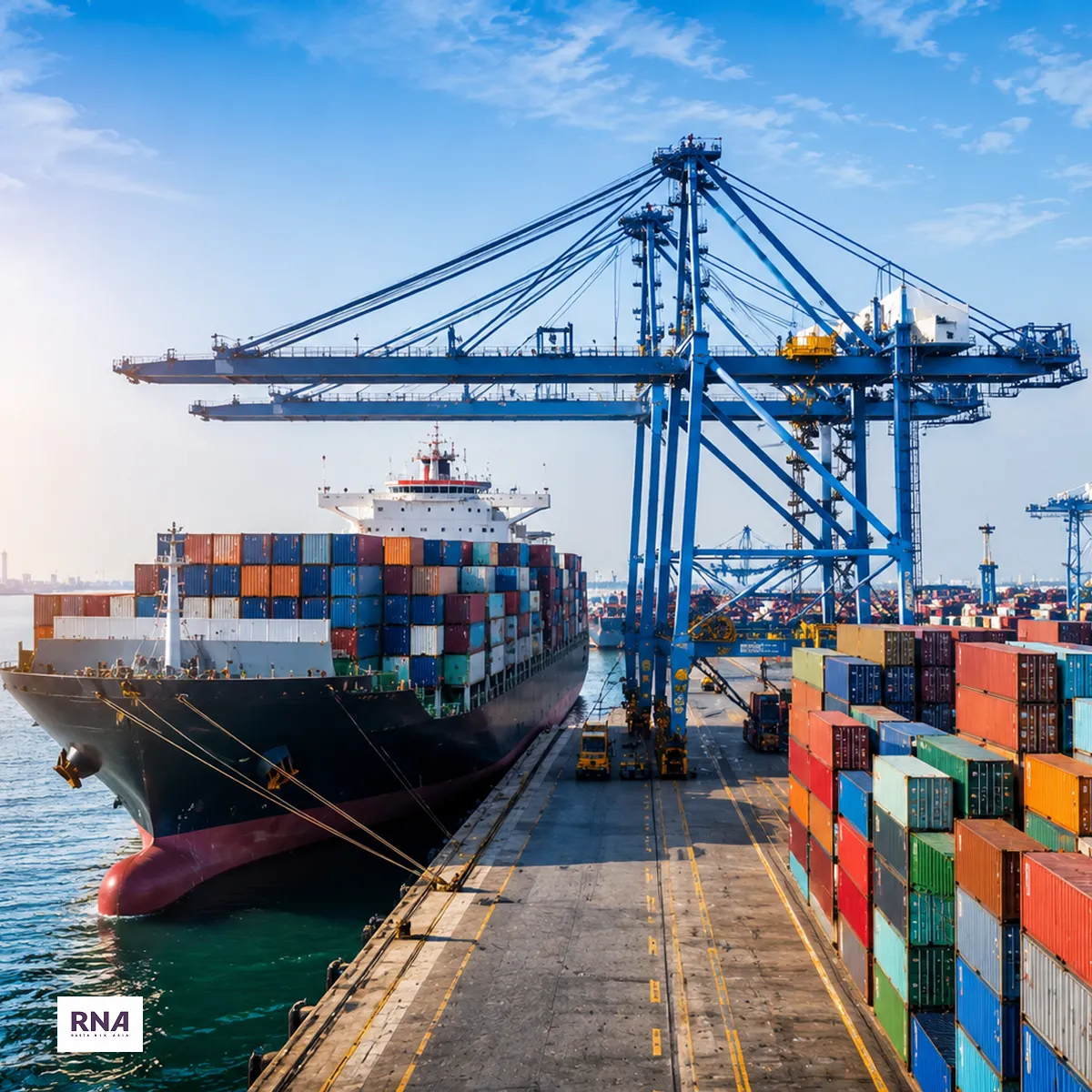
- Bandar Abbas (Shahid Rajaee): Iran's largest and busiest container port, located on the Strait of Hormuz. It handles the majority of Iran's containerized trade, including most sea freight arriving from China.
- Bandar Imam Khomeini: a major port on the northern Persian Gulf, used for both containerized and bulk cargo.
- Chabahar: located outside the Strait of Hormuz on Iran's southeastern coast, on the Gulf of Oman. Chabahar's geographic position outside the Strait of Hormuz has made it a topic of increasing interest given the current security situation in the strait. However, its sanctions status and operational conditions should always be verified for your specific cargo and shipping line before booking.
For a full comparison of Iran's ports and their capabilities, see our dedicated guide to Iran's major ports for international shipping.
Current Shipping Conditions (Iran Shipping update 2026)
This section reflects conditions as of mid-August 2026 and can change quickly. Always confirm the current situation with your freight forwarder before finalizing a routing decision.
Since early 2026, the Strait of Hormuz and the wider Persian Gulf region have experienced significant security disruptions connected to escalating regional tensions, including a period of active conflict and a U.S. naval blockade affecting vessels calling at Iranian ports.
Reported incidents have included damage to merchant vessels transiting the strait and surrounding waters. As a direct result, normal sea freight schedules and transit times to Bandar Abbas and other Gulf ports have been affected, and sea freight routing should not be assumed to be operating on a normal schedule.
Given this environment, many traders are giving closer consideration to:
- The rail corridor through Kazakhstan and Turkmenistan, which does not depend on the Strait of Hormuz.
- Chabahar, due to its location outside the strait, subject to verifying current operational and compliance status.
- Working with a forwarder that tracks routing and port conditions daily, rather than booking based on outdated information.
We update our clients directly on current routing options and will continue to reflect major changes here, but for time-sensitive shipments, always confirm the latest status before finalizing your plan.
Customs Clearance for China-to-Iran Shipments
Shipping from China to Iran involves several regulatory steps in addition to the physical shipment. The main authority overseeing this process is the Iran Customs Administration (IRICA).
Documents You Will Typically Need for Shipping from China to Iran
| Document | Purpose |
|---|---|
| Commercial Invoice | States value and description of goods for customs valuation |
| Packing List | Details quantities, weights, and packaging |
| Certificate of Origin | Confirms the country where goods were produced |
| Bill of Lading (sea) or Air Waybill (air) | Serves as the contract of carriage and shipment receipt |
| Order Registration (Sabtaresh) | Required registration with Iran's Trade Promotion Organization before import |
| Health/Phytosanitary Certificates | Required for food, agricultural, or livestock-related goods |
Key Steps and Systems for China–Iran Shipment
- Order Registration (Sabtaresh): importers generally need to register their intended import with Iran's Trade Promotion Organization before goods arrive.
- Currency Allocation (NIMA): Iran's Central Bank currency allocation system, used to formally allocate foreign currency for approved imports.
- Customs Valuation and Duties: IRICA calculates applicable customs duty and commercial profit tax based on the declared and assessed value of the goods (CIF value). Exact rates depend on the product's HS code classification and current tariff schedules, which are updated periodically, so always confirm current rates for your specific product.
- Inspection and Release: After document review and duty payment, customs issues a release order allowing the goods to leave the customs zone.
For a full breakdown of this process, see our detailed guide to freight documents in Iran.
Door-to-Door and Factory-to-Door Shipping from China to Iran
Many shipments from China to Iran are arranged as “door-to-door,” meaning the forwarder manages the movement from a factory or warehouse in China all the way to a specified address in Iran. In practice, “door-to-door” can mean different things depending on the provider, so it's worth clarifying exactly what is included before booking:
- Usually included: pickup at origin, export procedures in China, international freight, and inland delivery in Iran.
- Sometimes excluded, or billed separately: Iranian import duties and taxes, customs brokerage fees, and storage charges if clearance is delayed.
- Always confirm: who is responsible for customs clearance, who handles permits, and what happens if a document is missing.
Rasta Nik Asia provides door-to-door and factory-to-door road freight services from China to Iran and other countries in the region. Our team can recommend the most suitable route based on your cargo type, destination, and specific shipment requirements.
Because every shipment is different, we typically discuss route and mode options directly with the client rather than offering a single fixed solution.
Planning a road shipment from China to Iran? Contact Rasta Nik Asia to discuss your cargo, compare route options, and choose the most practical solution for your shipment.
Cargo-Specific Considerations
When it comes to shipping from China to Iran, different types of cargo face different requirements and risks:
- Electronics and goods containing batteries or magnets: often require additional documentation and may face higher air freight costs due to dangerous goods classifications.
- Machinery and industrial equipment: usually shipped by sea or rail due to size and weight; may require additional certificates depending on use.
- Food and agricultural goods: require health or phytosanitary certificates and are subject to review by Iran's agricultural and health authorities.
- Dual-use or restricted items: some goods with both civilian and military applications face additional export control and import scrutiny. If you are unsure whether your product falls into this category, confirm with a licensed customs broker or trade compliance specialist before shipping, rather than assuming it is permitted.
Payment Considerations in China–Iran shipment
Because of international sanctions affecting Iran, payment for goods shipped from China to Iran can involve more friction than trade with many other countries. Standard international payment tools like letters of credit through major global banks are often not straightforward for Iran-related trade
. In practice, traders commonly need to work with banks and payment channels that are set up to handle Iran-related transactions, and settlement arrangements can vary depending on the supplier, the bank, and current regulatory conditions.
This is a complex and evolving area. This article does not provide legal or financial advice, and payment arrangements should be confirmed directly with your bank, supplier, and, where appropriate, a trade compliance professional.
Common Mistakes to Avoid in Shipping from China to Iran
- Assuming “door-to-door” covers all Iranian-side duties and taxes. Always confirm what is and isn't included.
- Missing a single required document, which can delay clearance by weeks. Double-check your document set before the shipment departs China.
- Booking based on outdated transit-time assumptions, especially for sea freight given current route conditions.
- Not confirming your product's HS code and any restrictions in advance, particularly for electronics, food, or dual-use items.
- Working with an unlicensed or unclear customs broker on the Iranian side, which increases the risk of delays and disputes.
How Rasta Nik Asia Helps in Shipping from China to Iran
Rasta Nik Asia specializes in transit logistics through Iran, connecting China and other trade partners with destinations across the region. We provide door-to-door and factory-to-door road freight from China to Iran and other Middle Eastern countries, and our team monitors routing and port conditions to help clients choose the most reliable option for their specific cargo.
If you're planning a shipment and want route guidance based on your actual requirements, our team can walk through the options with you directly. You can call us today to get more detailed information.
Conclusion
Shipping from China to Iran involves more decisions than picking a shipping line. Your best route depends on your cargo type, deadline, and how much route risk you're willing to accept, especially given the current conditions affecting sea freight through the Strait of Hormuz.
Rail freight through Central Asia has become an increasingly relevant alternative, and clear customs preparation remains essential regardless of which method you choose.
If you're planning a shipment from China to Iran and want to talk through the best route for your specific cargo, get in touch with Rasta Nik Asia's team for tailored guidance.
Sources
Importing Goods into the Islamic Republic of Iran