

Shipping hazardous cargo is never simple. When routes cross multiple borders, regulations, and transport modes, the risk becomes higher. Dangerous Goods shipping Through Iran is a strategic solution for many international traders, but it requires strong local expertise, clear documentation, and full compliance with international safety standards.
Iran is a key transit country connecting Asia, the Middle East, CIS countries, and Europe. For traders from China, India, Turkey, the UAE, and CIS countries, Iran offers shorter routes, lower transit costs, and access to major ports and borders. However, the Transport of Dangerous Goods Through Iran must be handled carefully to avoid delays, penalties, or safety risks.
In this guide, we explain everything you need to know about Dangerous Goods shipping Through Iran, including regulations, transport methods, risks, and how Rasta Nik Asia ensures safe and transparent transit.
Why Iran Is a Strategic Route for Dangerous Goods Transit
Iran sits at the center of major international trade corridors. It connects:
- Southern ports (Bandar Abbas, Chabahar)
- Northern borders (CIS countries)
- Western routes (Turkey and Europe)
- Eastern connections (China, India)
Because of this location, Transport of Dangerous Goods Through Iran can reduce transit time compared to sea-only routes.
Key Advantages of Dangerous Goods Shipping Through Iran
For traders dealing with chemicals, industrial materials, batteries, or fuel-related products, Dangerous Goods shipping Through Iran is often the most efficient option. The key advantages of shipping hazard goods through Iran are:
- Shorter transit routes between Asia and CIS/Europe
- Access to multiple transport modes (road, rail, sea)
- Lower overall logistics costs
- Strong trucking network inside Iran
- Active transit corridors for industrial and chemical cargo
What Are Considered Dangerous Goods?
Dangerous goods or hazardous goods are materials that can pose risks to people, property, or the environment during transport. These goods are classified under international regulations.
Common Dangerous Goods Shipped Through Iran are:
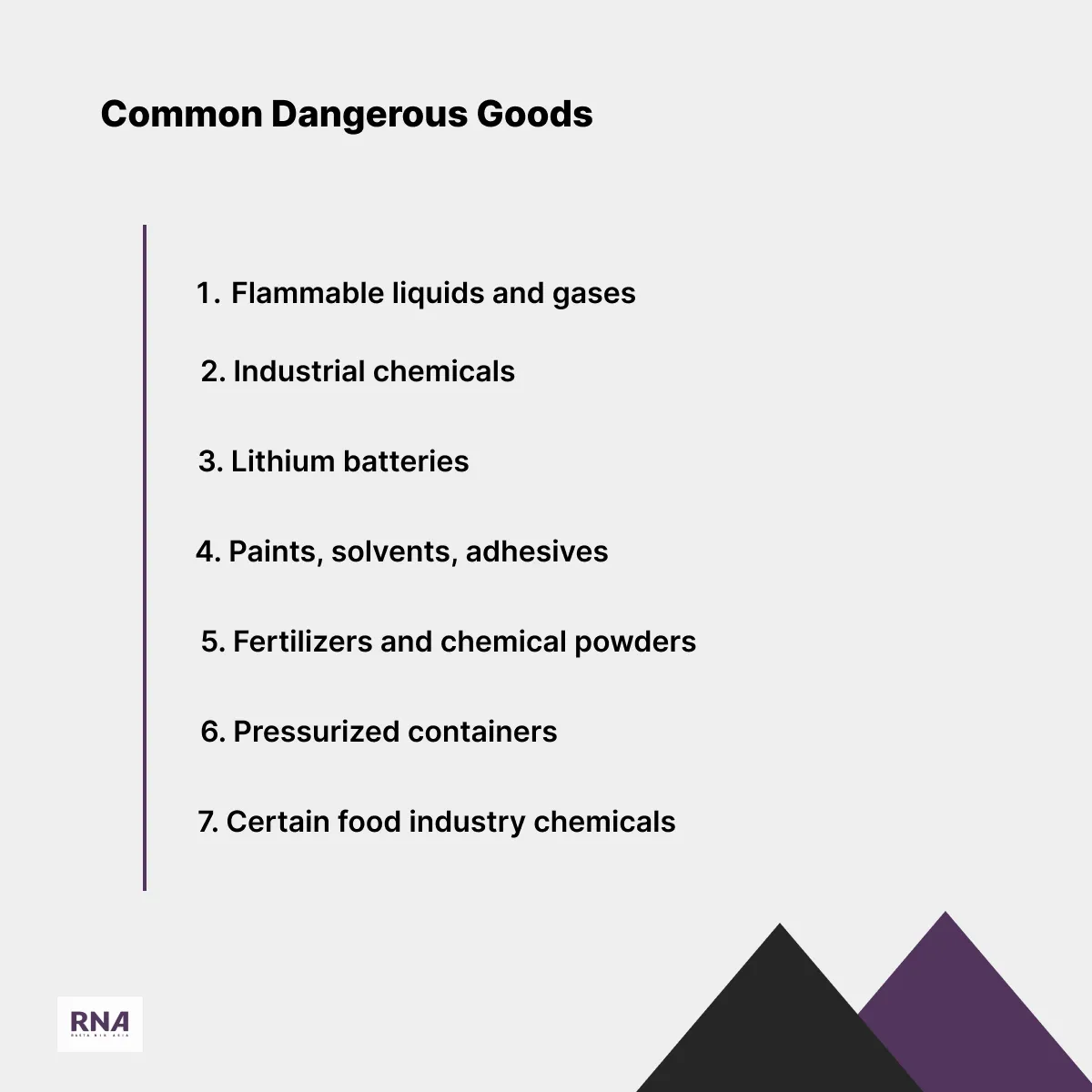
- Flammable liquids and gases
- Industrial chemicals
- Lithium batteries
- Paints, solvents, adhesives
- Fertilizers and chemical powders
- Pressurized containers
- Certain food industry chemicals
Each category requires specific packaging, labeling, and documents during Transport of Dangerous Goods Through Iran.
International Regulations Governing Dangerous Goods Shipping Through Iran
Iran follows major international conventions related to hazardous cargo transit. Key Regulations Applied:
- IMDG Code (for sea transport)
- ADR Agreement (for road transport)
- RID Regulations (for rail transport)
- UN Dangerous Goods Classification System
Any Dangerous Goods shipping Through Iran must fully comply with these standards. Non-compliance can lead to cargo rejection, fines, or border delays.
Transport Modes for Dangerous Goods Through Iran
Choosing the right transport mode is a critical step in hazardous Goods shipping Through Iran. Each method has specific safety rules, cost implications, and suitability depending on the cargo type, volume, and destination. Iran offers flexible multimodal solutions that support safe and efficient Transport of Dangerous Goods Through Iran.
Road Transport (ADR-Compliant)
Road transport is the most widely used option for Dangerous Goods shipping Through Iran, especially for transit cargo moving between ports, borders, and neighboring countries.
Key advantages of road transport are:
- High flexibility for different routes and destinations
- Faster border-to-border transit
- Suitable for most dangerous goods classes
- Strong availability of ADR-certified trucks
Safety requirements include:
- ADR-approved vehicles
- Trained and licensed drivers
- Correct hazard labels and placards
- Emergency response equipment on board
Rail Transport for Dangerous Goods
Rail transport is an efficient solution for large volumes and long-distance Transport of Dangerous Goods Through Iran. It is commonly used for bulk chemicals, industrial materials, and heavy hazardous cargo.
Main benefits of rail transport for hazardous cargo are:
- Higher safety level for bulk dangerous goods
- Lower cost for large shipments
- Reduced risk of road-related incidents
- Stable and predictable transit schedules
Rail is often combined with road transport to create a reliable multimodal solution. You can learn all about multimodal transportation in this guide: Multimodal Freight Transport in Iran
Sea to Land (Multimodal) Transport
Many international shipments enter Iran through southern ports and continue inland by road or rail. This method is very popular for Dangerous Goods shipping Through Iran from China, India, and Southeast Asia.
Why traders choose multimodal transport in Iran:
- Cost-effective for long-distance shipments
- Access to major Iranian ports
- Smooth connection to CIS, Turkey, and Gulf routes
- Full compliance with IMDG and ADR regulations
Choosing the Right Transport Mode for hazardous cargo
Selecting the correct transport mode depends on different factors like:
- Type and class of dangerous goods
- Shipment volume and weight
- Transit time requirements
- Destination country and border
With expert planning, Transport of Dangerous Goods Through Iran becomes safer, faster, and more predictable. Contact Rasta Nik Asia today to receive professional consultation and a customized transit solution for your dangerous cargo through Iran.
Required Documents for Dangerous Goods Shipping Through Iran
Accurate documentation is critical. Missing or incorrect papers can stop the shipment. Essential Documents are:
- Dangerous Goods Declaration (DGD)
- Safety Data Sheet (MSDS)
- Packing Certificate
- Commercial Invoice
- Packing List
- Transit Permit
- Transport Insurance
Rasta Nik Asia reviews all documents before shipment to ensure smooth Transport of Dangerous Goods Through Iran.
Learn more: Key Freight Documents in Iran
Common Risks in Transport of Dangerous Goods Through Iran
While Iran is a strong transit country, without proper management some risks might happen. The main Risks are:
- Incorrect classification of goods
- Poor packaging or labeling
- Inexperienced carriers
- Border documentation errors
- Lack of real-time tracking
These risks increase costs and delay delivery. Professional handling is essential for safe Dangerous Goods shipping Through Iran.
How Rasta Nik Asia Manages Dangerous Goods Shipping Through Iran
Rasta Nik Asia specializes in complex transit cargo. We understand both international regulations and local border procedures.
Our Key Strengths are:
- Full compliance with ADR, IMDG, and UN standards
- Strong network of certified drivers and carriers
- Representatives at all major Iranian borders
- Clear, simple reporting for clients
- 24/7 communication during transit
Our goal is to allow traders to focus on their business while we manage every detail of Transport of Dangerous Goods Through Iran.
Practical Tips for Traders Shipping Dangerous Goods Through Iran
Successful Dangerous Goods shipping Through Iran requires proper preparation, accurate documentation, and an experienced logistics partner. Small mistakes can lead to delays, extra costs, or safety issues.
Before Shipping
Make sure your cargo is correctly classified and all documents are ready before shipment. Packaging and labeling must comply with international standards to ensure smooth Transport of Dangerous Goods Through Iran.
Key checks:
- Correct UN number and hazard class
- Valid MSDS in English
- Approved packaging and labels
During Transit
Close coordination during transit helps avoid delays. Stay in contact with your logistics provider and keep documents accessible throughout Transport of Dangerous Goods Through Iran.
Best practices are:
- Monitor shipment status
- Keep digital document copies
- Respond quickly to border requests
With the right planning and professional support, Dangerous Goods shipping Through Iran becomes safe, efficient, and reliable for international traders.
Why International Traders Trust Iran for Dangerous Goods Transit
Many traders from CIS countries, Turkey, UAE, China, and India choose Iran because:
- Routes are faster and safer
- Costs are predictable
- Transit infrastructure is strong
- Multiple exit borders are available
With the right partner, Transport of Dangerous Goods Through Iran becomes a reliable and competitive solution. Contact Rasta Nik Asia today to receive expert guidance, transparent reporting, and a customized transit plan for your dangerous goods through Iran.
Conclusion
Dangerous Goods shipping Through Iran offers strong advantages for international traders, but only when handled correctly. Regulations, safety standards, and local expertise play a critical role.
Rasta Nik Asia provides transparent, reliable, and fully compliant Transport of Dangerous Goods Through Iran. With our experience, border presence, and strong carrier network, we turn complex transit into a smooth operation.
Contact Rasta Nik Asia today and let us manage your Dangerous Goods shipping Through Iran safely, professionally, and without stress.
Resource
Understanding Hazardous Cargo: Types, Classifications, and Regulations