

Choosing the right transport method is a critical decision for international traders. When shipping goods through Iran, especially for transit to CIS countries, Turkey, or Central Asia, the choice between FTL vs LTL in Iran can directly affect cost, delivery time, and cargo safety.
Iran is a strategic transit hub connecting the Persian Gulf to Central Asia, the Caucasus, and Eastern Europe. Many non-Iranian traders use Iranian routes for food products, livestock, raw materials, and industrial cargo. In this guide, Rasta Nik Asia explains FTL vs LTL in Iran in simple, practical terms to help you make the right logistics decision.
What Does FTL and LTL Mean in International Transport?
Before comparing FTL vs LTL in Iran, it is important to understand these two transport methods.
What Is FTL (Full Truckload)?
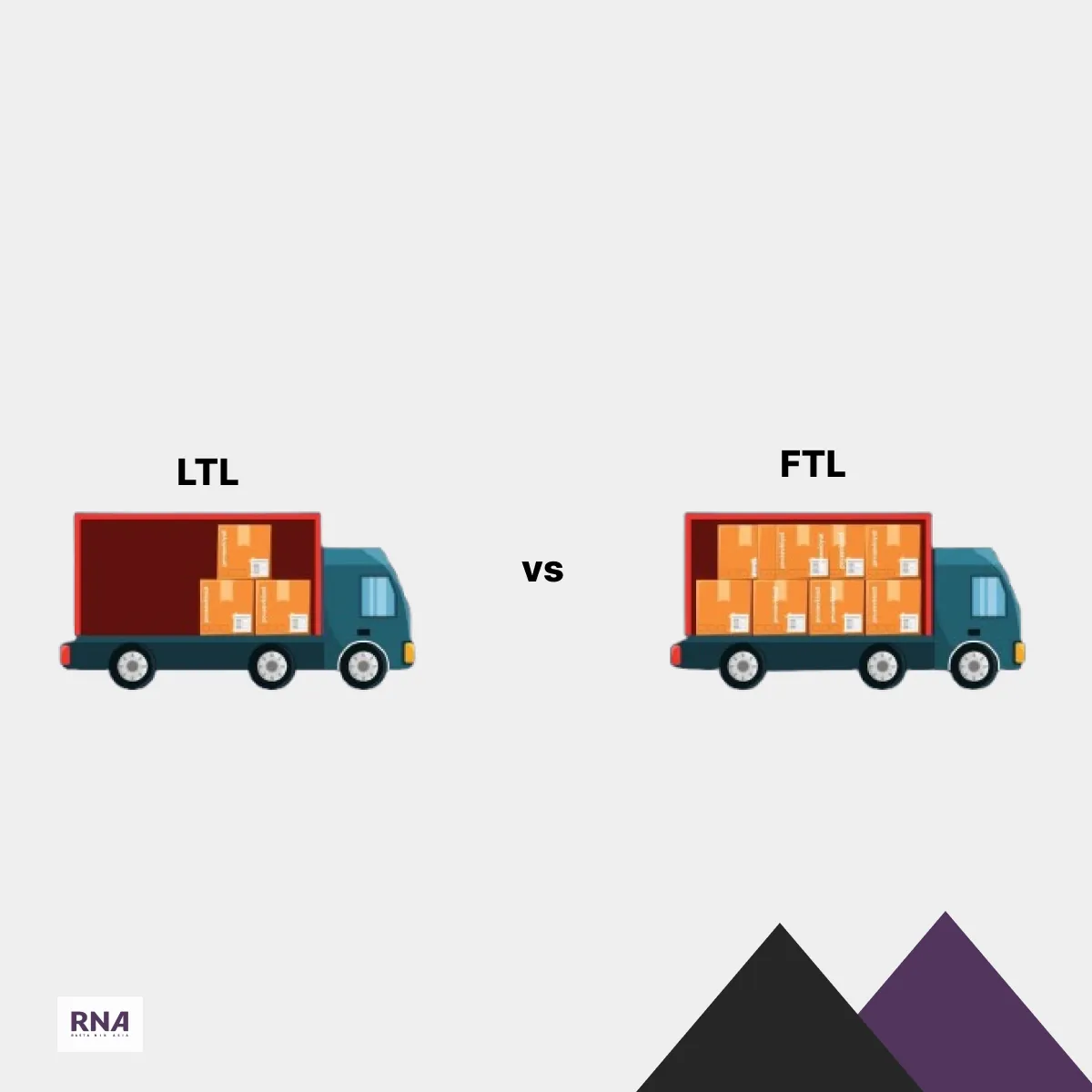
FTL (Full Truckload) means one shipper uses the entire truck. The cargo fills most or all of the vehicle, and the truck moves directly from origin to destination without sharing space with other shipments.
Key features of FTL are:
- One shipper, one truck
- Direct route, fewer stops
- Faster transit time
- Lower risk of damage or delay
What Is LTL (Less Than Truckload)?
LTL (Less Than Truckload) means multiple shippers share one truck. Each shipper pays only for the space their cargo occupies.
Key features of LTL are:
- Shared truck space
- Multiple pickup and delivery points
- Lower cost for small shipments
- Longer transit time compared to FTL
Understanding these basics makes it easier to compare Full Truckload vs Less Than Truckload in Iran for your business.
Why Iran Is a Key Country for FTL and LTL Transport
Iran plays an important role in regional trade corridors. Ports like Bandar Abbas connect maritime routes to land transport networks heading north and west.
When analyzing FTL vs LTL in Iran, traders should consider these factors:
- Strong road connections to CIS countries
- Active borders with Turkey, Armenia, Azerbaijan, and Turkmenistan
- Experience in transit cargo handling
- Competitive transport costs compared to alternative routes
Learn more: shipping products through Iran
FTL vs LTL in Iran: Key Differences at a Glance
The table below provides a quick comparison of FTL vs LTL in Iran, highlighting the main differences in cost, transit time, cargo safety, flexibility, and delivery process. It helps international traders clearly see which option (Full Truckload vs Less Than Truckload in Iran) is more suitable for their specific shipment needs.
| Factor | FTL in Iran | LTL in Iran |
| Cost | Higher per shipment | Lower for small cargo |
| Speed | Faster | Slower |
| Cargo Safety | Very high | Medium |
| Flexibility | Best for large volumes | Best for small volumes |
| Stops | Direct delivery | Multiple stops |
As shown in the table, the choice between FTL vs LTL in Iran depends mainly on shipment size, urgency, and risk tolerance. While LTL can reduce costs for smaller loads, FTL offers better speed, safety, and reliability for most international trade shipments moving through Iran.
Cost Comparison: Full Truckload vs Less Than Truckload in Iran
When comparing FTL vs LTL in Iran, cost depends mainly on shipment volume, urgency, and handling requirements. While LTL may seem cheaper at first, the total cost can change based on operational factors.
- FTL (Full Truckload) has a fixed price for the entire truck. It is usually more cost-effective for large or heavy shipments and lowers the cost per ton. Fewer handling steps also reduce the risk of extra charges.
- LTL (Less Than Truckload) allows you to pay only for the space you use, which is suitable for small shipments. However, consolidation, handling, and longer transit times can add hidden costs.
In practice, Full Truckload vs Less Than Truckload in Iran shows that FTL often delivers better value for regular, time-sensitive, or high-volume international trade shipments.
 Transit Time and Reliability in FTL vs LTL in Iran
transit time is a key factor for international traders, especially when moving food, livestock, or time-sensitive industrial cargo. When comparing FTL vs LTL in Iran, the difference in speed and reliability is significant.
- FTL (Full Truckload) offers faster delivery because the truck moves directly from origin to destination. There are no consolidation delays, fewer border stops, and a more predictable delivery schedule.
- LTL (Less Than Truckload) usually takes longer due to cargo consolidation, multiple loading and unloading points, and additional inspections at borders.
Overall, Full Truckload vs Less Than Truckload in Iran clearly favors FTL for traders who need reliable transit times and minimal disruption to their supply chain.
Cargo Safety and Risk Management in FTL vs LTL in Iran
Cargo protection is critical in international transport, particularly for high-value, fragile, or regulated goods. In FTL vs LTL in Iran, safety and risk levels differ noticeably.
- FTL shipments involve minimal cargo handling, as goods remain in the same truck throughout the journey. This greatly reduces the risk of damage, loss, or contamination.
- LTL shipments require more handling because cargo is shared with other shippers. This increases exposure to damage, misplacement, or delays, especially during border inspections.
For traders prioritizing cargo security, Full Truckload vs Less Than Truckload in Iran shows that FTL provides stronger risk control and peace of mind.
Which Industries Prefer FTL in Iran?
when it comes to choosing between FTL and LTL in Iran, Many industries choose FTL because it offers better control, faster delivery, and higher cargo safety. This is especially important for sectors where delays or damage can lead to serious financial loss.
FTL is commonly preferred by the following industries:
- Food and agricultural traders
- Livestock transporters
- Industrial and manufacturing companies
- Exporters of high-value or sensitive goods
In real operations, Full Truckload vs Less Than Truckload in Iran clearly shows that FTL is the preferred option for industries that prioritize reliability, safety, and consistent delivery performance.
Learn more: Bulk Cargo Transportation from Iran
When Does LTL Make Sense in Iran?
Although traders often choose FTL over LTL, LTL can still be a suitable option in certain situations. The key is understanding when cost savings are more important than speed and control.
LTL transport may make sense when:
- Shipment volume is small: If your cargo does not fill a truck, LTL allows you to pay only for the space you use.
- Delivery time is flexible: LTL shipments usually take longer due to consolidation and multiple stops, so it works best when deadlines are not tight.
- You are sending samples or test shipments: Traders entering a new market often use LTL to test routes, partners, or demand before moving to full truckloads.
- Cargo is low-risk and non-fragile: Goods that are not sensitive to handling or delays are more suitable for shared transport.
In practice, Full Truckload vs Less Than Truckload in Iran shows that LTL is best for occasional, low-volume shipments with flexible timelines, while FTL remains the stronger choice for regular and time-critical trade routes.
Customs and Border Clearance Considerations
Customs clearance and border procedures play a major role when choosing between FTL vs LTL in Iran, especially for international transit cargo. The type of shipment directly affects document handling, inspection time, and overall border efficiency.
- FTL (Full Truckload) shipments are easier to manage at borders because there is only one shipper and one set of freight documents. This reduces inspection complexity and usually leads to faster customs clearance.
- LTL (Less Than Truckload) shipments involve multiple shippers and different types of cargo in one truck. As a result, customs checks take longer, and delays are more common.
Practical Tips for Choosing Between FTL and LTL in Iran
Before deciding on FTL vs LTL in Iran, ask these questions:
- Is my cargo time-sensitive?
- Is my shipment fragile or high-value?
- Does my cargo require temperature control?
- Am I shipping regularly or occasionally?
If you answer “yes” to most of these, it usually means FTL is the better option for you. If you’re unsure which option fits your shipment best, you can contact our professionals at Rasta Nik Asia to get expert guidance for your cargo needs.
Why Rasta Nik Asia Recommends FTL for Most International Traders
Rasta Nik Asia works closely with traders from CIS countries, China, India, Turkey, and the UAE. Based on real operational experience, we often recommend FTL because:
- It reduces risk
- It improves delivery accuracy
- It simplifies reporting and tracking
- It builds trust through transparency
Our strong border presence and driver network allow us to manage FTL and LTL in Iran professionally and efficiently. Get in touch with Rasta Nik Asia’s experts today to receive personalized consultation and choose the best freight solution for your international shipments.
Conclusion
Choosing between FTL vs LTL in Iran is not just a cost decision. It affects delivery time, cargo safety, and overall supply chain reliability. For most international traders working with Iran as a transit country, Full Truckload vs Less Than Truckload in Iran often leads to one clear conclusion: FTL offers better control, speed, and peace of mind.
Ready to Ship Through Iran with Confidence?
Rasta Nik Asia is your trusted partner for transparent, reliable, and professional international transport through Iran. Contact us today to receive a tailored FTL or LTL solution that fits your trade needs and keeps your business moving forward.
Resource
LTL vs. FTL Shipping Modes: What’s the Difference?